Banyan Garden: Roots, Moisture and Structural Considerations
An engineering and materials-science look at common renovation myths at Banyan Garden: tree roots breaching walls, damp from fallen leaves, and mould on interior walls.
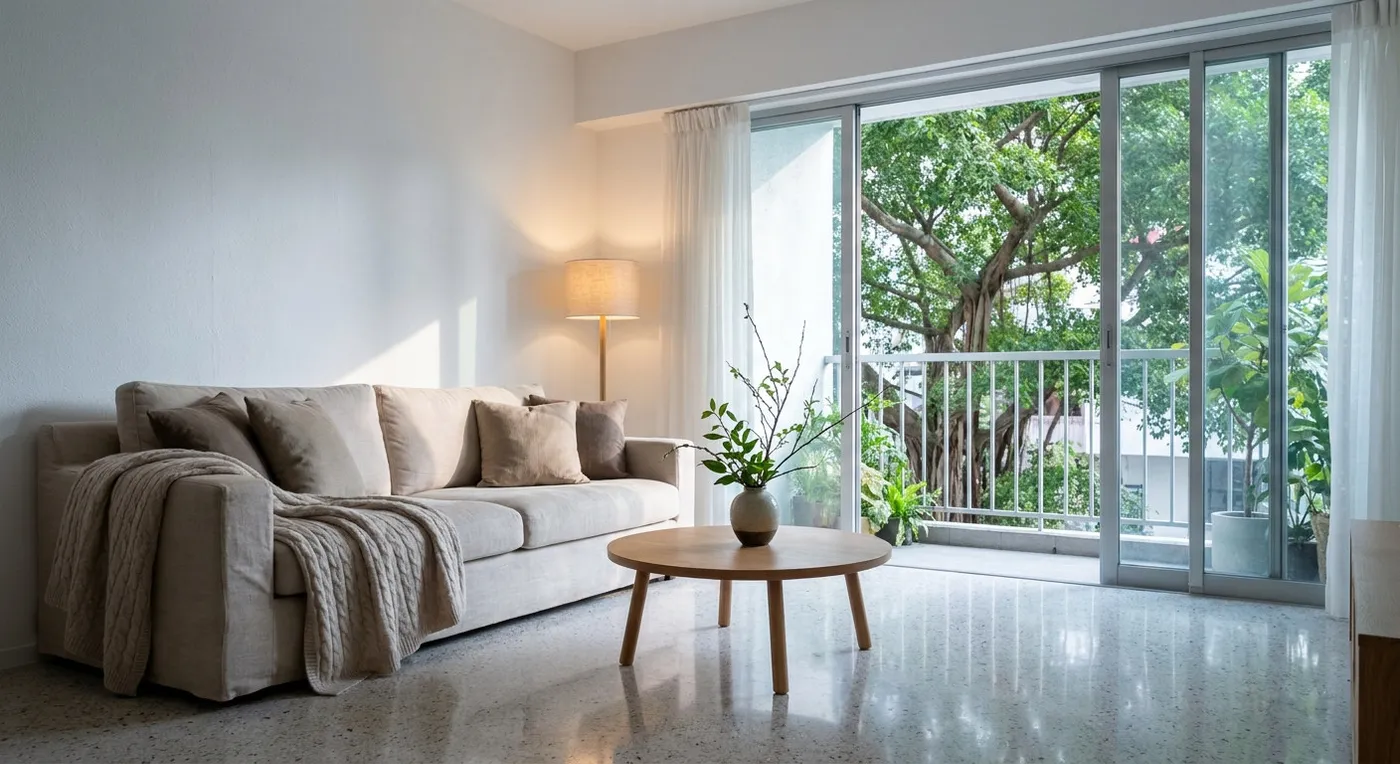
In recent years, quite a few clients have asked me: if you live in a development like Banyan Garden, surrounded by mature trees, do you need to be extra careful when renovating? There is a lot of talk online about banyan roots damaging foundations, causing cracks in walls, or even compromising waterproofing. This article objectively breaks down how much truth there is in these myths, from an engineering and materials-science perspective.
Myth 1: Will Banyan Roots Break Through the Walls?
First, a clarification: high-rise residential buildings in Hong Kong are generally supported on piled foundations. While banyan roots are vigorous growers, they spread mainly outward rather than downward, and rarely penetrate reinforced-concrete structures. The real risk lies in garden drainage pipes or underground conduits: if the joints have aged and degraded, fine roots can work their way in. The fix is straightforward. The external walls, their waterproofing and the underground pipes are common parts of the building, so inspection should be arranged through the building management or the owners’ corporation, which may consider a double layer of liquid waterproofing membrane on exterior walls near trees and stainless steel mesh sleeves over pipe joints.
Myth 2: Do Fallen Leaves and Bird Droppings Make Balconies Impossible to Maintain?
It is true that banyan trees drop many leaves, but that is something you can design around with the right material choices. I have done an objective comparison of a few common options.
If you like the natural feel but do not want the upkeep, consider laying artificial turf over a raised deck on part of the balcony, keeping the greenery without live plants or soil to look after.
Myth 3: Does Humid Weather Make Walls Prone to Mould?
It is true that Banyan Garden’s environment tends to be humid, but the main cause of mould is usually poor indoor ventilation rather than the trees themselves. The key is choosing the right paint and damp-proofing process: use an anti-bacterial coating with negative-ion technology, or add a vapour barrier beneath the wall finish. It is also worth considering a bidirectional ventilation system (HRV), which helps air circulation while bringing in fresh air. This is not somewhere to cut costs. Installing one may involve electrical connections and openings in the external wall, and should be handled by a qualified professional and registered contractor, with the building management’s consent.
In short, the design challenges at Banyan Garden are not a disaster. They just call for more precise engineering judgment. If you are facing a similar dilemma, or thinking about how to balance natural surroundings with indoor comfort, our team can help assess your options and look at what is feasible.
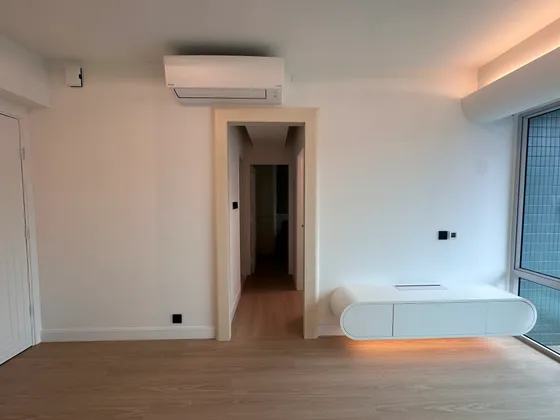 Banyan Garden Floor area within our project portfolio View project
Discuss your space
Share your floor plan or photographs for a considered assessment of design possibilities, practical constraints and budget.