
SORRENTO Wall Materials: Use in Hong Kong’s Humid Climate
An honest look at how Sorrento mineral wall finish actually performs in Hong Kong's humid climate, including the spring condensation season and high-moisture kitchens and bathrooms.

Sorrento wall finish has become a real favourite in Hong Kong’s interior design circles in recent years, marketed on its Italian origin, natural texture, and distinctive tactile quality. But as a designer who spends every day wrestling with Hong Kong’s weather, I constantly get asked by clients: “Does this material actually hold up in Hong Kong? Will it grow mould? Is it worth the price?” This article breaks down how this material really performs.
The upside first: why so many people choose Sorrento
Sorrento is essentially a mineral coating containing natural lime and mica, producing a texture that is three-dimensional without being over the top, with a tactile quality close to polished stone, a great fit for modern minimalist or industrial-vintage interiors. Compared with traditional wallpaper or paint, it comes with several clear advantages.
Now the real limits: the pitfalls in Hong Kong’s humidity
The reality, though, is that large-scale application experience with Sorrento in Hong Kong is still fairly limited, particularly when it comes to handling the spring condensation season (huí nán tiān) and high-humidity zones like kitchens and bathrooms. There are a few things owners should be aware of.
To sum up, Sorrento wall finish suits drier areas like bedrooms and living rooms well, and owners need to accept that it will show natural signs of change over the years. If you are considering this material, we would suggest testing it in an inconspicuous spot first before committing to a large-scale application. Please contact our team to discuss your design needs.
 Sorrento View project The project in this article
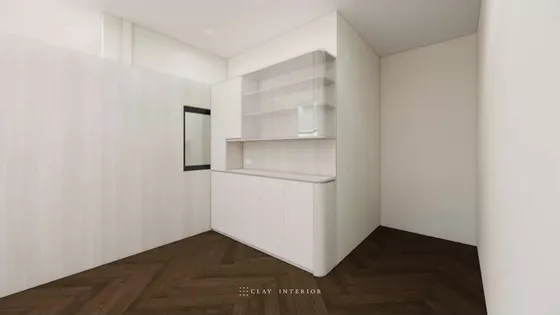 Sorrento Floor area within our project portfolio View project
Discuss your space
Share your floor plan or photographs for a considered assessment of design possibilities, practical constraints and budget.