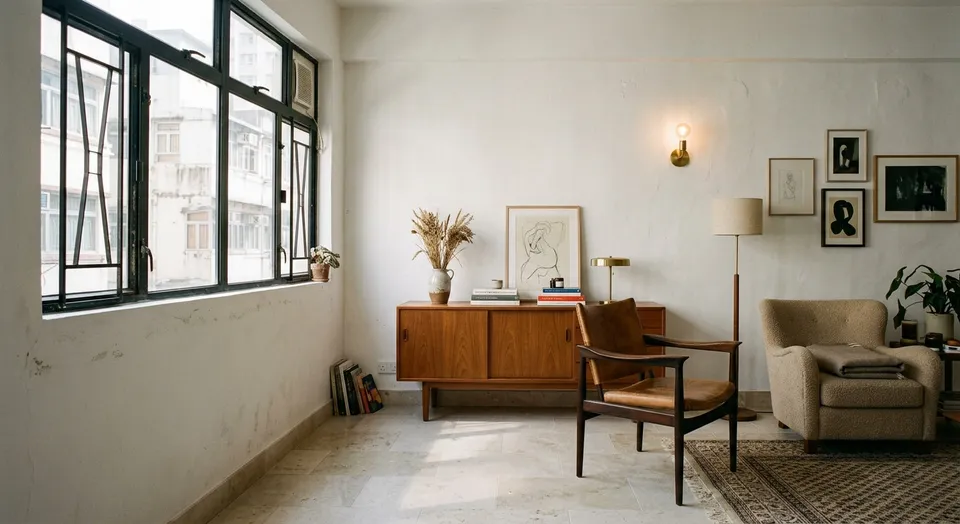
Combining Antique and Modern Furniture: Proportion, Colour and Order
Common mistakes in mixing antique and modern furniture in small Hong Kong flats: humidity, traffic flow, and sunlight matter more than price tags.
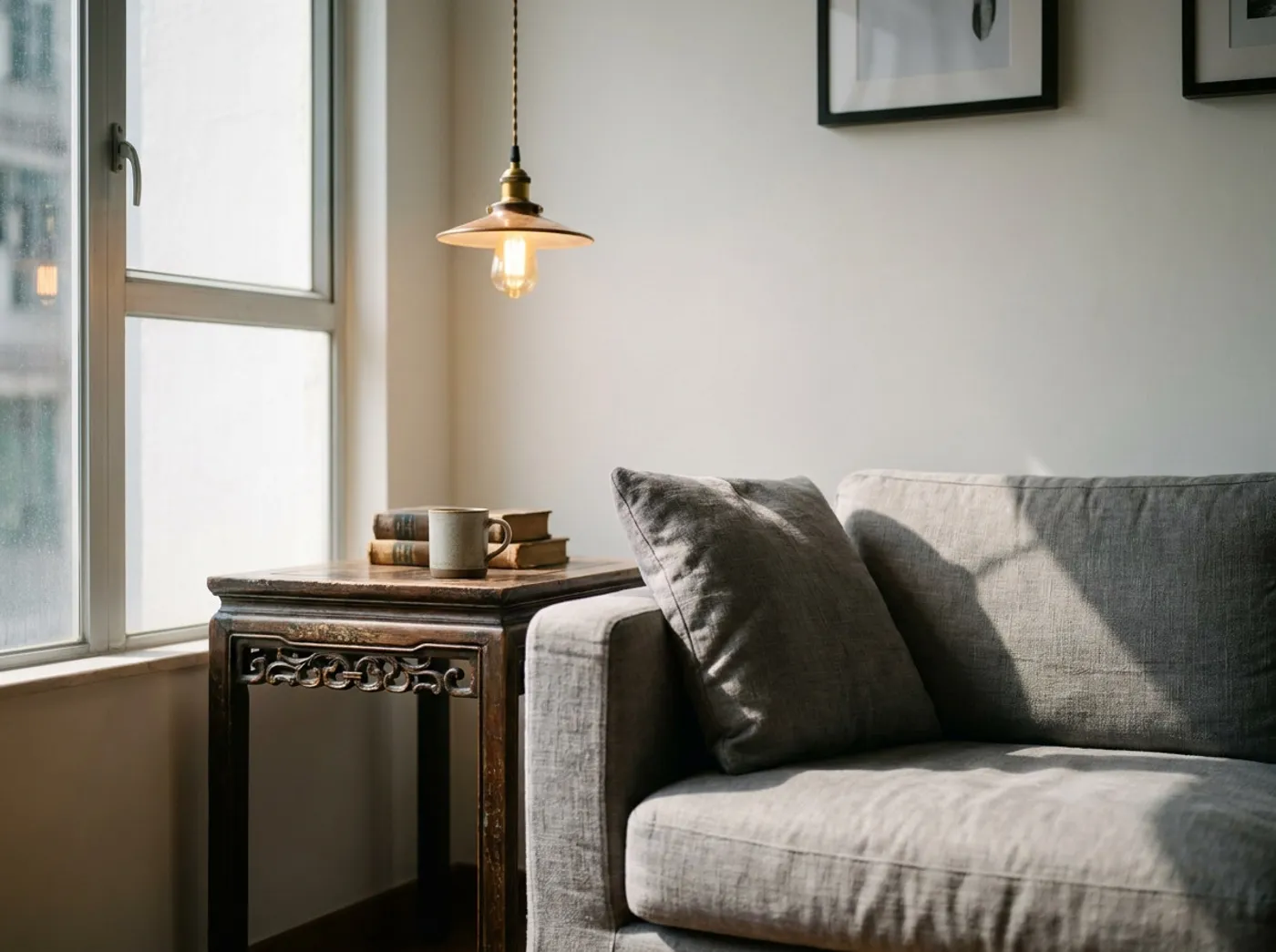
Many homeowners think “mixing styles” just means piling together everything they like, and the result is a space with no personality that just looks cluttered. This is especially true in Hong Kong, where flats are small and ceilings are only 8 feet. Blending antique furniture with modern lines is nowhere near as simple as it sounds. Today we will break down some common mistakes objectively, and look at what actually works.
Why Mix at All? Why Take the Risk?
The “classic meets contemporary” juxtapositions you see constantly at international auction houses and design galleries certainly have their own aesthetic logic: an 18th-century Louis XV armchair paired with a minimalist tempered-glass coffee table can create striking contrast, making every detail stand out more. But most Hong Kong flats do not have that kind of ceiling height or natural light, so the physical constraints are much greater: get the proportions, materials, or colours wrong, and the whole space falls out of balance.
Common Pitfalls: Expensive Does Not Mean It Works
Many clients assume that if a piece is beautiful, it will naturally suit any room. The reality is different: put a genuine 19th-century ottoman next to an open-plan kitchen, and cooking fumes and humidity will damage it quickly. Place a heavily carved Louis XVI chest of drawers in a small entryway, and visually it will make the hallway feel even narrower. Designers need to weigh the physical environment (humidity, foot traffic, the angle of sunlight), not just aesthetic satisfaction.
If you are facing a similar design dilemma, our team can help assess your options.
Discuss your space
Share your floor plan or photographs for a considered assessment of design possibilities, practical constraints and budget.