Quiet Luxury Beneath Eight-Foot Ceilings: Proportion and Materials
How material choices, lighting design, and muted grey-toned colours can create a sense of quiet grandeur within Hong Kong's standard 8-foot ceiling height.
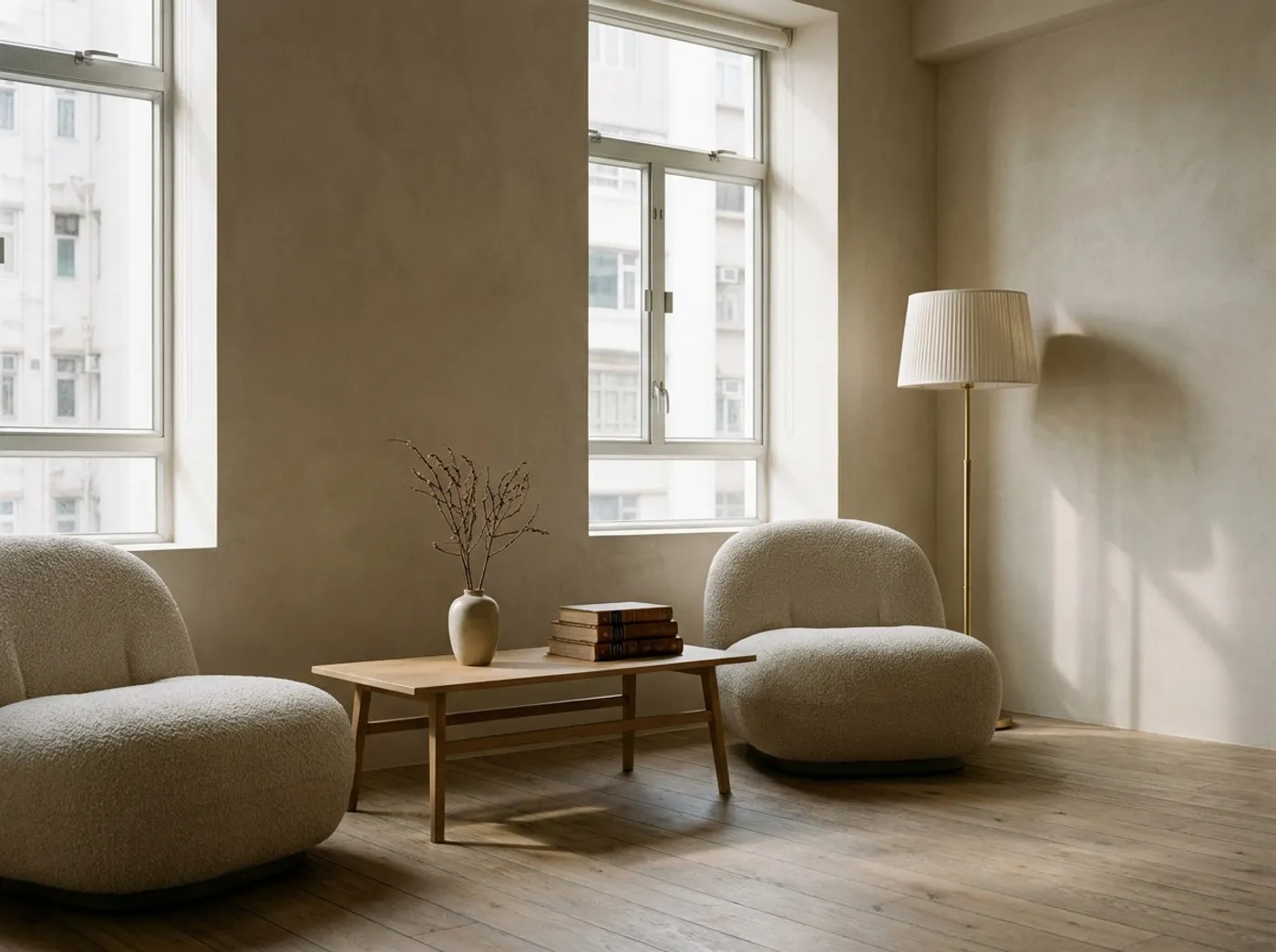
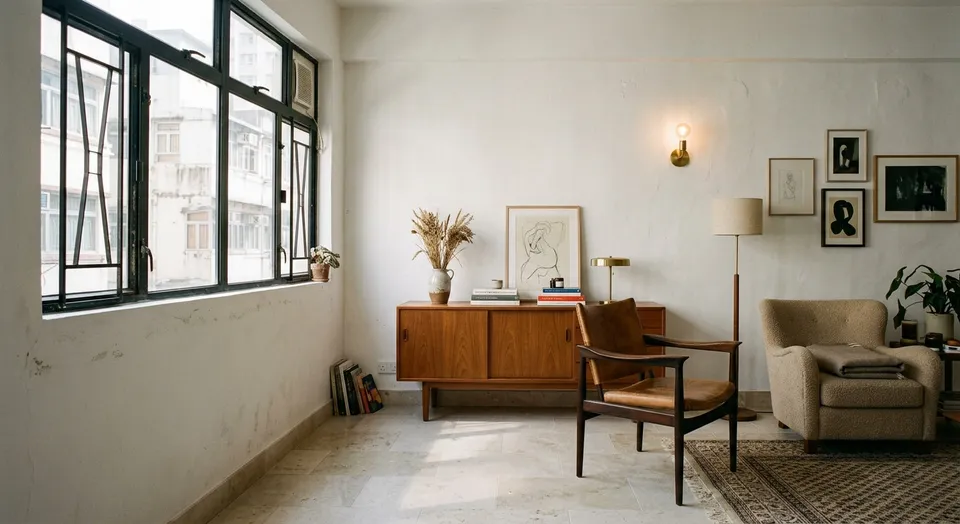
Audo Copenhagen’s Quiet Grandeur collection, launched at 3daysofdesign 2026, makes a good point: a sense of luxury does not have to come from elaborate ornamentation or sky-high ceilings. In space-starved Hong Kong, we often end up cramming limited square footage with furniture and statement pieces, and the result is visual fatigue. Turning the volume down, it turns out, is often the better way to reveal a space’s depth and texture. This is not a product pitch but an honest breakdown of how to create your own version of “quiet grandeur” within the constraints of Hong Kong’s standard 8-foot ceiling, using material choices, lighting and colour.
Quiet Grandeur Is Not “Nothing There”: Material Trade-offs
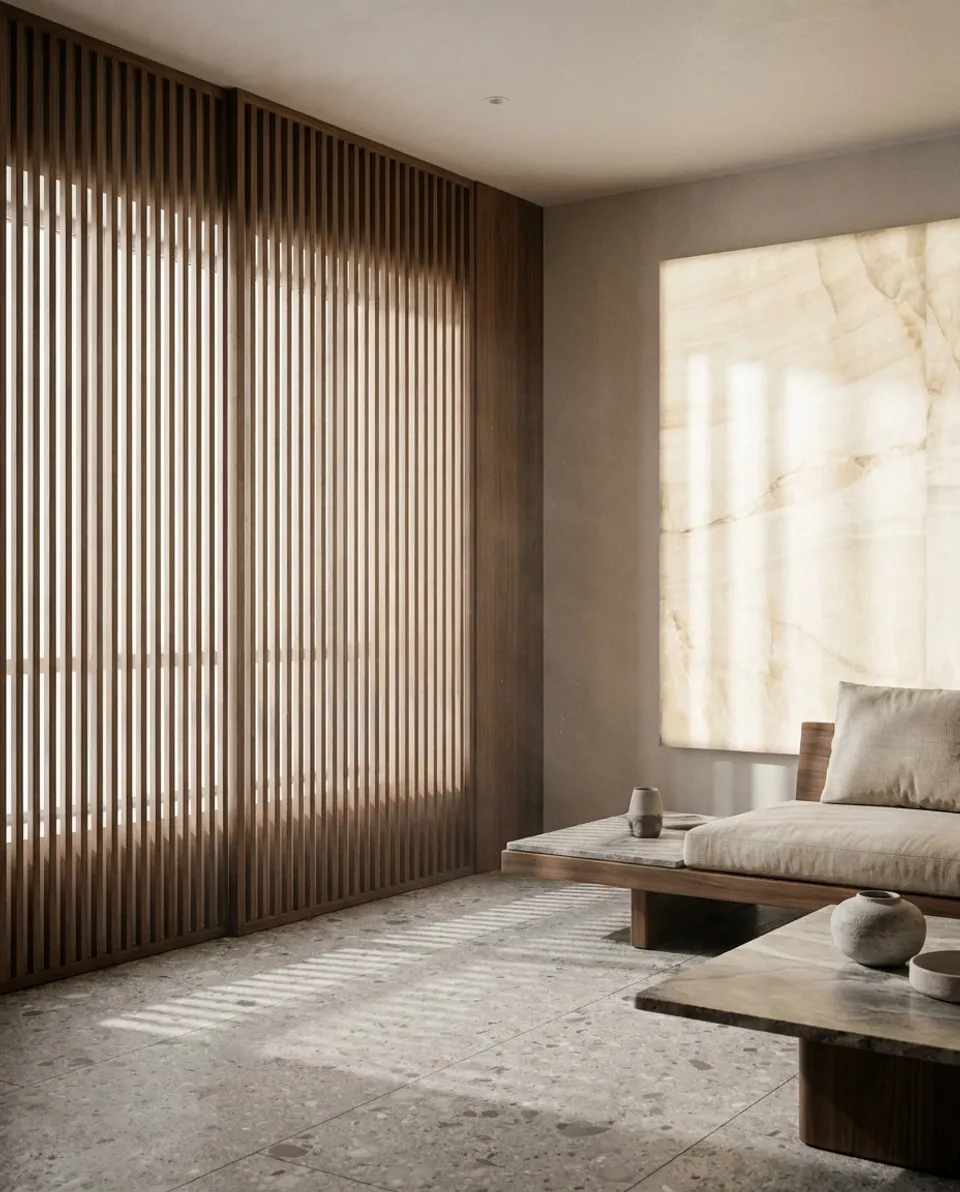
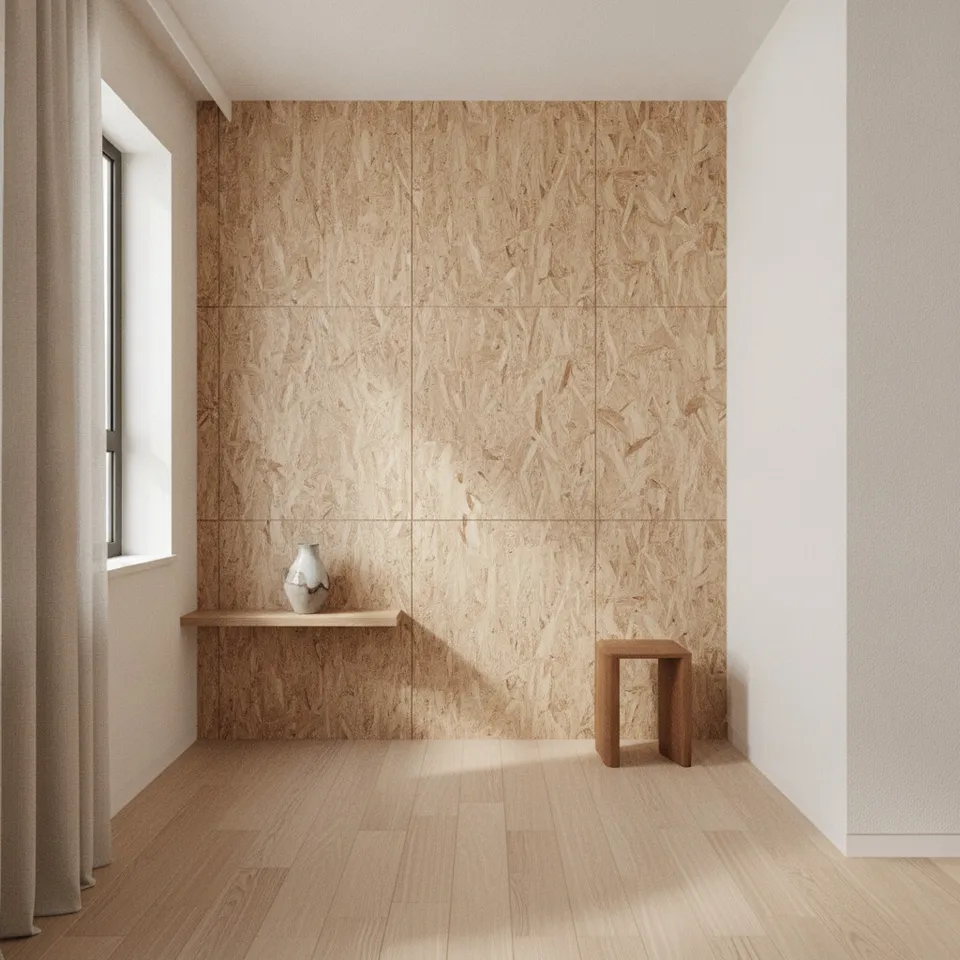
Many people mistake minimalism for white walls plus a grey sofa, and end up with something that looks thin. Real quiet grandeur reveals its depth in the details, not through dramatic forms. In a low-ceiling environment, material and finish choices matter even more.
None of these choices is inherently right or wrong: what matters is understanding the physical trade-offs behind each decision. Micro-cement, for instance, has a wonderful texture but is demanding to install and prone to hairline cracks; fabric wallcoverings feel warm and soft but are hard to keep clean. Understanding these trade-offs objectively is the professional’s job.
Lighting Is the Soul of “Quiet”: Avoiding the Usual Traps
Lighting is where things most often go wrong. Hong Kong homes often rely on one bright ceiling light, which floods the whole space evenly and flattens any sense of depth. Creating quiet grandeur means avoiding that one-light-fits-all approach.
A real example: we recently worked on the living area for a client in Tseung Kwan O. They originally wanted a large L-shaped sofa, but given the limited ceiling height, we suggested two single-seat armchairs and a low console table instead, with wall lights angled up toward the walls on either side. The result was a room that actually felt more spacious, and the whole mood settled down.
The Gravity of Colour
Hong Kong flats are small, and conventional wisdom says go all-white to make a space feel bigger. But all-white is actually hard to keep “quiet”: the moment any clutter appears, it looks messy. Consider instead a palette of muted, grey-toned colours: sage green, misty blue, or warm greige. These tones have a receding quality that keeps the walls from feeling like they are closing in. The ceiling is best kept white, or the lightest tone in the room, so it does not visually lower the height.
One thing worth noting: dark walls will make a space feel smaller, but they also sharpen focus, which suits a study or a bedroom’s resting area. That is the trade-off.
If you are facing a similar design question, please contact our team to discuss your project.
Discuss your space
Share your floor plan or photographs for a considered assessment of design possibilities, practical constraints and budget.