Kengo Kuma’s Negative Architecture: Nature and Compact Spaces
Drawing on Kengo Kuma's 'negative architecture,' this piece shows how small Hong Kong flats can feel calmer with natural materials and indirect light.
Have you ever walked into a flat that was not actually small, yet still felt stifling and oppressive? Or the opposite: a 300-square-foot subdivided unit that somehow feels calm and relaxed? That is not magic; there is a design philosophy behind it. This piece looks at the thinking of the contemporary architect Kengo Kuma and his concept of “negative architecture,” and at how it can be borrowed for Hong Kong interior design, especially in small flats.
The Core of “Negative Architecture”: Making Way for Nature
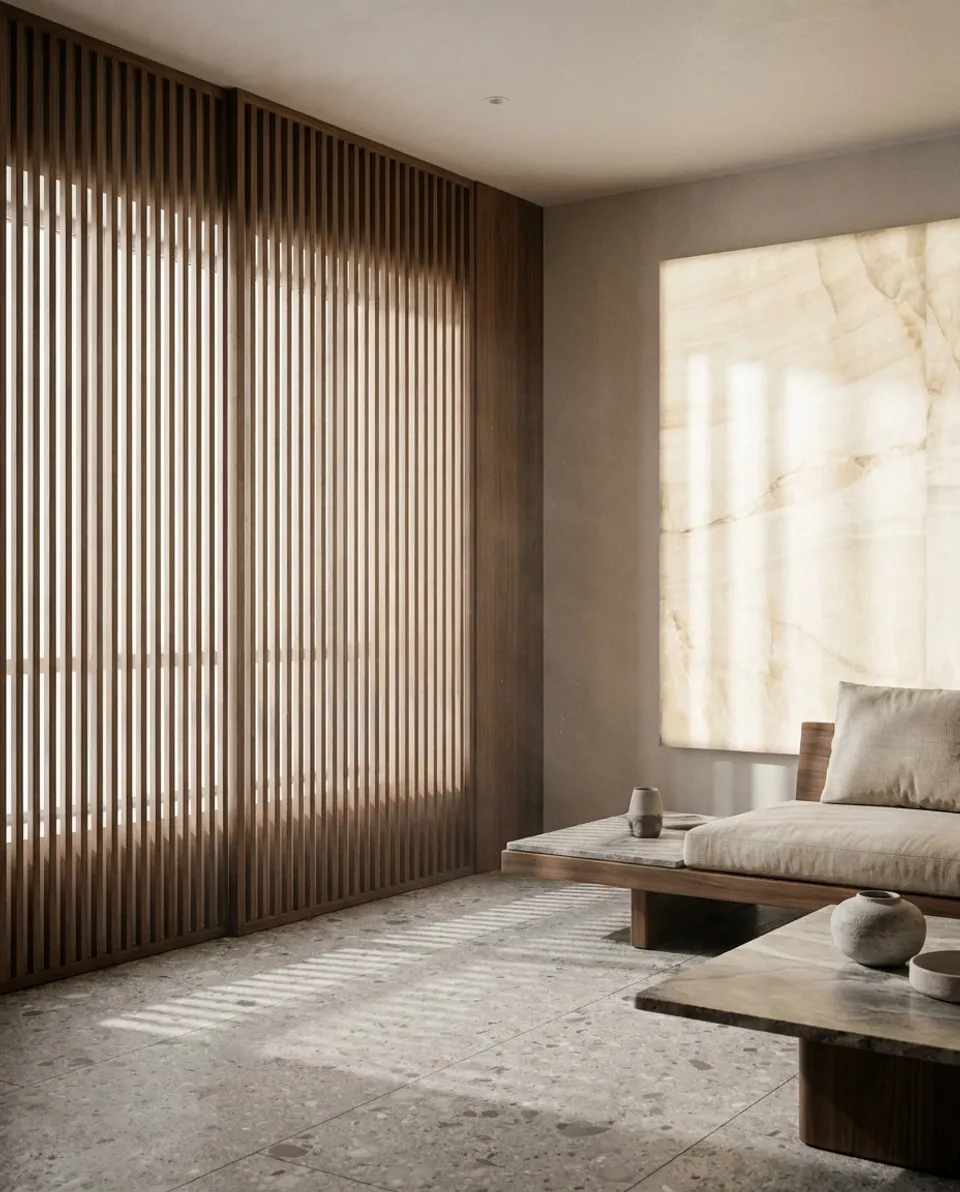
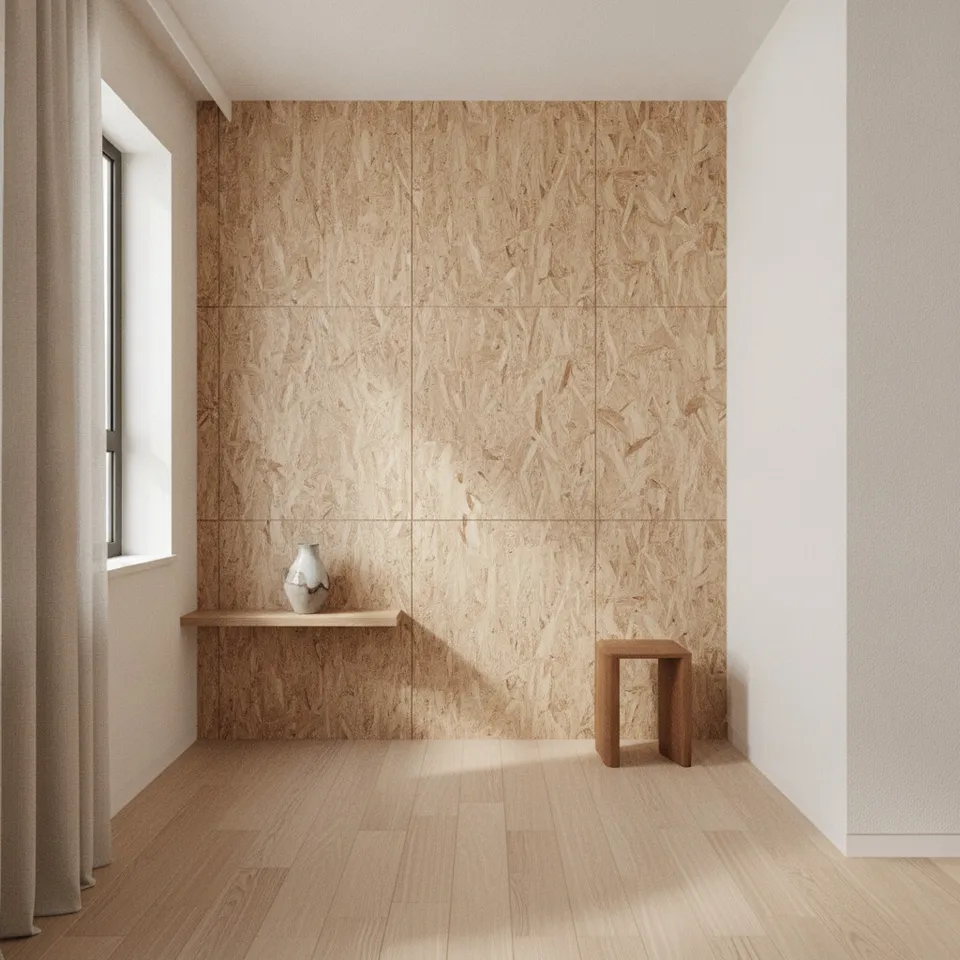
Kuma’s idea of “negative architecture” is not about a building standing out or demanding attention: it is about letting the building blend into its surroundings, even disappear into them. He favours natural materials like wood, stone, and washi paper to soften a building’s presence, then uses shadow and indirect light to blur its edges. Compared with the bright, showy style so common in Hong Kong, this philosophy is well worth reflecting on.
Bringing It Down to Earth: Three Practical Principles
Of course, you cannot simply copy a Japanese temple design onto a modern high-rise. We need to adapt it to local conditions and assess practicality with a clear eye.
A Conversation with Light and Dust
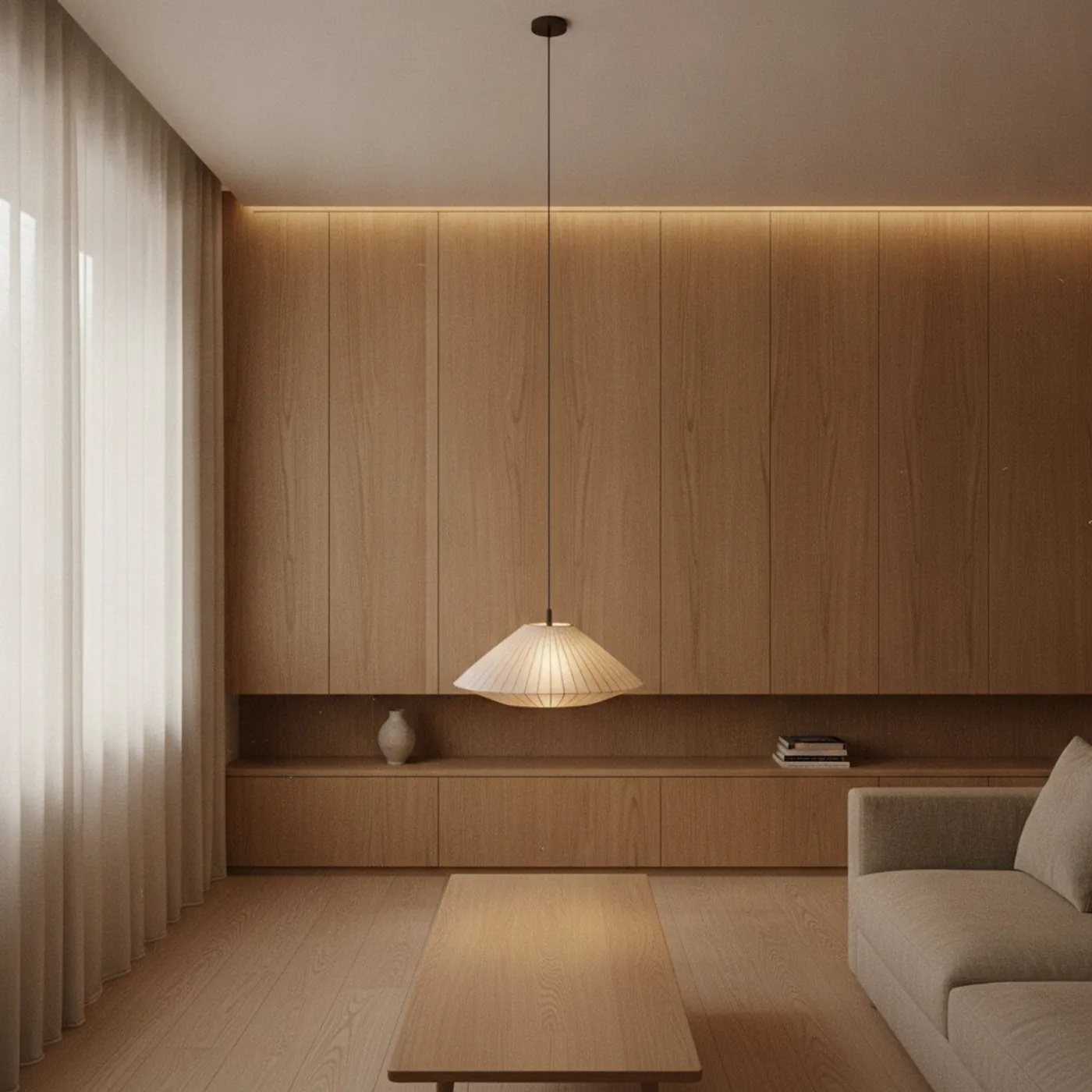
I once visited a 500-square-foot flat in North Point where the designer used raw, unfinished oak for a series of low cabinets, paired with paper-lantern-style pendant lights: the whole flat had almost no cool white light sources. The owner said living there made their heart rate feel slower, which is worth noting. Actually, it is not surprising: natural materials and low colour temperatures are generally thought to help the body relax. That is the real-world power of Kuma’s philosophy.
That said, I will be honest: this style is not for everyone. Some people find it too heavy, too “zen,” and others find it a hassle to keep clean. It is worth asking yourself first: do you want a photogenic backdrop, or a shell that restores your body and mind? Neither answer is wrong. It is simply a trade-off.
If you are facing a similar design dilemma, please contact our team to discuss your requirements.
Discuss your space
Share your floor plan or photographs for a considered assessment of design possibilities, practical constraints and budget.