Heritage Renovation: Balancing Existing Character and New Design
Sparked by the Dulles Airport controversy, this piece weighs heritage preservation against an owner's wish to modernize, and designers' material judgment.
Dulles Airport’s expansion plans have recently stirred up a heated debate in international design circles. The US government, working with United Airlines, proposed building an addition onto Eero Saarinen’s iconic terminal, complete with a “presidential-style” gold interior. Reaction among Dezeen Debate readers has been sharply divided, with some calling the plan “shameless” and even accusing it of “cultural vandalism with no limits.” We will not wade into the politics here, but as interior designers who wrestle with old spaces every day, the story raises a very real question: when renovating a heritage building, should the work stay faithful to the original, or should new owners be free to reshape it?
First, Tell “Preservation” Apart from “Freezing in Time”
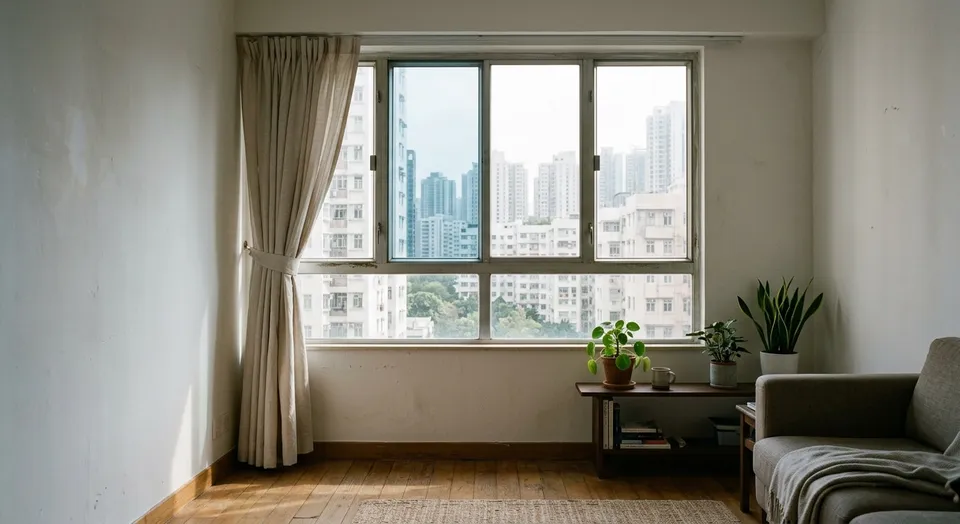
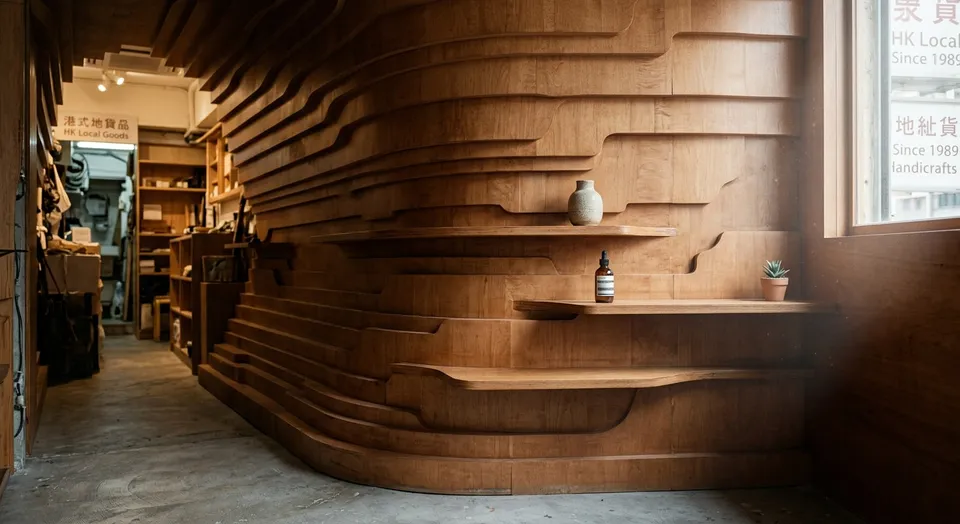
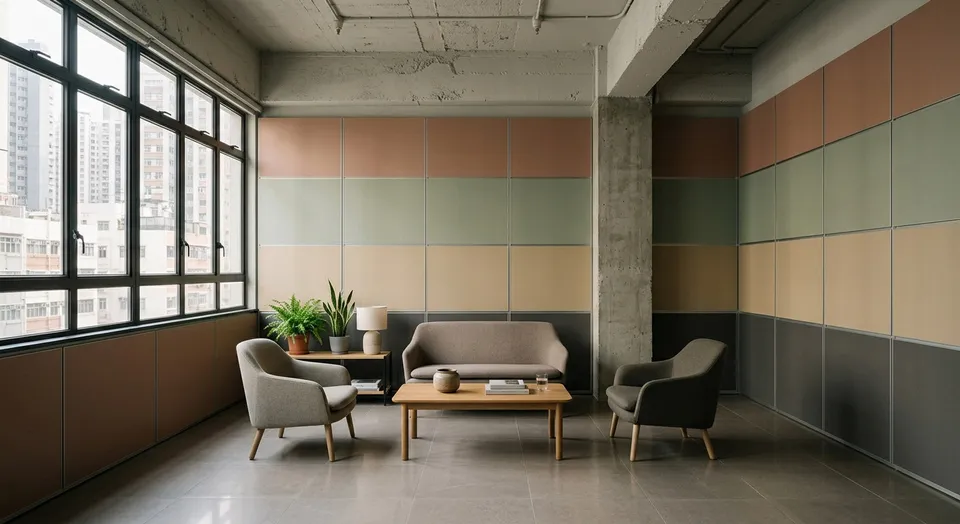
In Hong Kong, we regularly work on renovations of old office buildings, tong laus, and even public spaces dating from the 1960s. The most common dilemma is not whether to strip something out: it is how far to go. Owners often feel the existing fit-out looks dated and want something more contemporary, but a building’s structure, proportions, and even the position of its window frames are part of what gives the space its character. Force new elements into an old shell without regard for those constraints, and the result usually ends up neither one thing nor the other. Genuine preservation is not about turning a space into a museum piece: it is about understanding why it was designed that way in the first place, then deciding what can change and what should stay.
Gold Is Actually Risky: The Politics and Physics of Materials
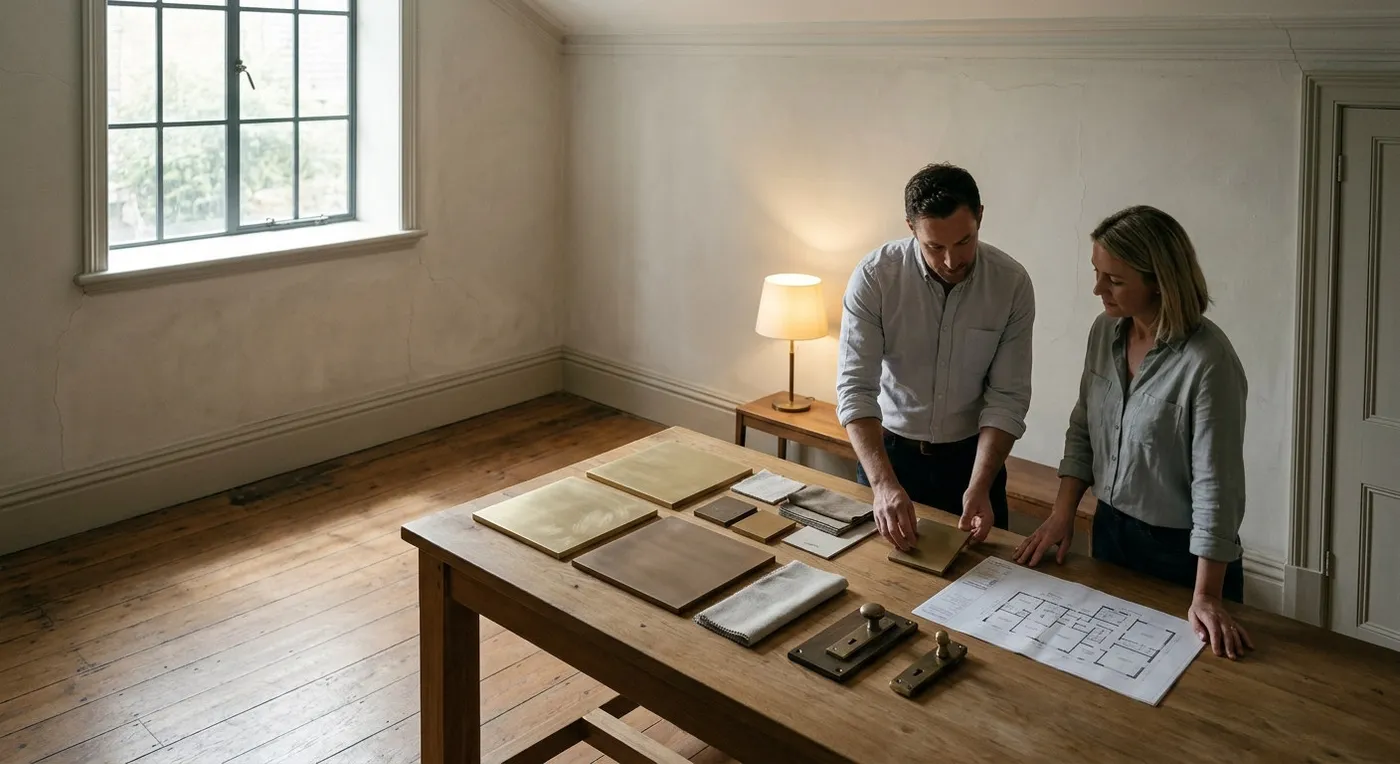
What really touched a nerve in the Dulles Airport case was not the addition itself. It was the gold. Designers need to understand that material choices carry symbolic weight. Gold can suggest luxury, but it can just as easily read as power, ostentation, or “one person’s personal taste.” In a public building, that kind of signature statement is especially sensitive. There is a practical problem too: gold is genuinely hard to maintain, particularly high-gloss metal finishes, where fingerprints, water marks, and scratches show up mercilessly. If a client insists on it, I would suggest switching to a matte brass or bronze instead and using lighting to build up depth (visually more restrained, but the material quality still comes through).
The Designer’s Responsibility: Do You Dare Tell the Client “No”?
Client input matters, but a designer is not a draftsman. When a decision touches on cultural values, public perception, and long-term upkeep, professional judgment means speaking up, or at the very least offering a more objective alternative. You can say: “I understand where you are coming from, but I am worried gold will feel too overpowering in this space. Shall we try a warm bronze instead? It reads just as refined, but it will age far better.” That kind of conversation is not a hard sell; it is about helping the client avoid a regret they might only discover ten years down the line. If the client still insists in the end, we will go ahead and do it, but we will always spell out the trade-offs clearly, so they understand the consequences going in.
Architecture and interior design were never a one-person job. They are a balance struck between the owner, the people who use the space, and the public. The Dulles Airport controversy is a reminder that any renovation has to be able to withstand the test of both time and public opinion.
Discuss your space
Share your floor plan or photographs for a considered assessment of design possibilities, practical constraints and budget.