Mesh Facades: Insulation or Decoration? Material Trade-offs from Snøhetta's Miami Project
Using Snøhetta's steel mesh facade in Miami, an honest look at how mesh facades insulate and whether the material suits Hong Kong's humid climate.
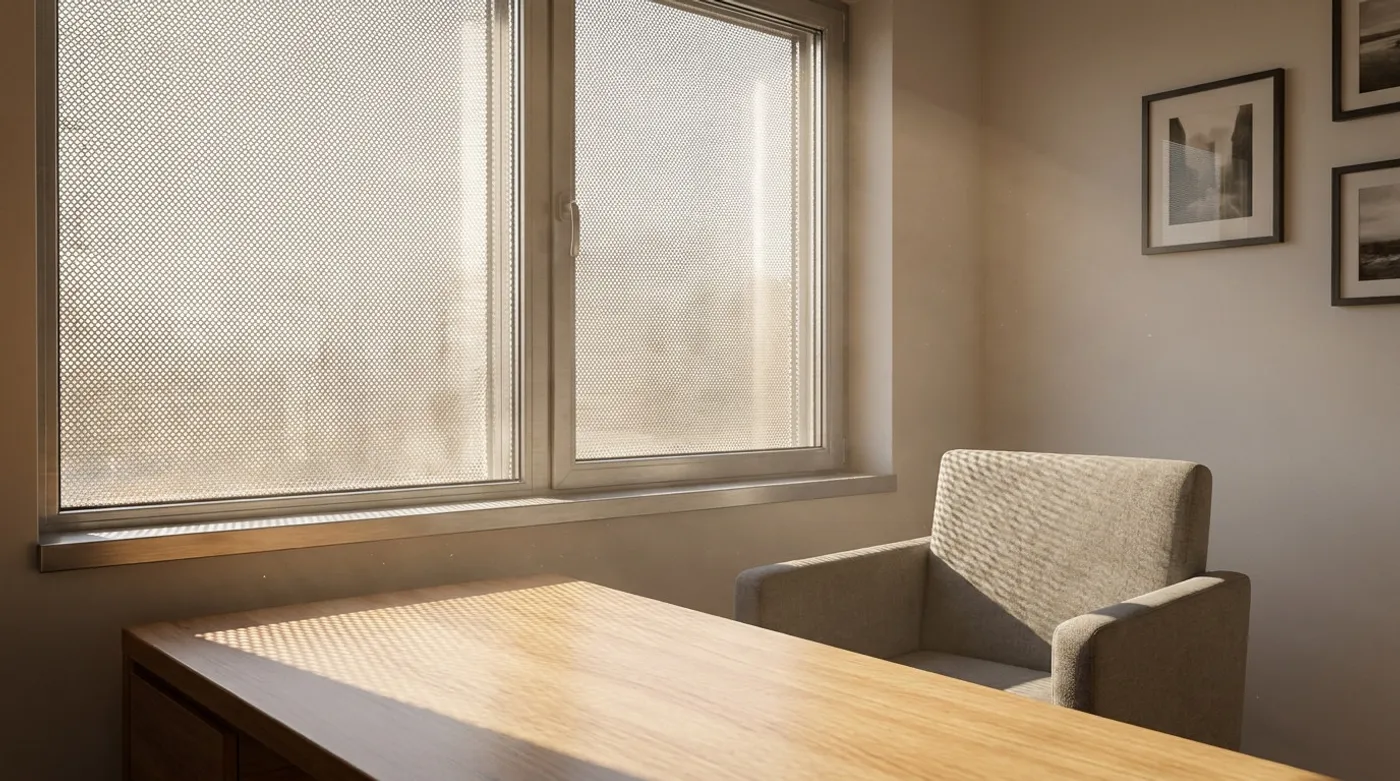
Snøhetta recently unveiled its design for Sweetbird North, a mixed-use building in Miami’s Design District, and the standout feature is a billowing stainless-steel mesh facade: essentially a sunscreen skin. The whole facade uses a double-layer system: a glass curtain wall on the inside, and a metal mesh with a dimpled texture on the outside. It looks striking, but does this kind of material actually hold up in Hong Kong’s humid climate? As a designer who is constantly explaining material realities to clients, I want to walk through it objectively.
How Mesh Facades Actually Insulate
Snøhetta’s design director describes the mesh layer as a “veil” that lets the planting and terrace spaces appear and disappear from view. This approach is actually common in tropical and subtropical regions: a semi-transparent metal mesh blocks part of the sunlight and cuts the interior heat load. But how well it insulates depends heavily on the installation angle and how dense the mesh openings are. Openings that are too large give limited shading; too dense, and you sacrifice the view. Snøhetta’s scheme uses the rhythm of columns and terraces to control light, which is a reasonably balanced approach.
Practical Problems in a Hong Kong Setting
We have handled a fair number of similar projects here in Hong Kong, and mesh facades genuinely need careful thought here.
Design Perspective
That is not to say mesh facades are a bad choice, quite the opposite: the dynamic play of light and shadow, and the contemporary look, are hard to match with any other material. But every material has its physical limits. Snøhetta’s design works because the team clearly understood the project’s location (Miami’s waterfront, windy, plenty of sun) and its function (a high-rise office where users want a view). Transplant the same idea to Hong Kong, and it is worth considering alternatives like honeycomb aluminium panels or ceramic solar screens instead: a similar visual effect, though maintenance needs should be assessed case by case.
If you are facing a similar design dilemma (say, weighing whether to use a metal mesh for terrace shading, or wanting to understand the trade-offs of other materials), please contact our team to discuss your requirements.
Inspired by: design blog, “Snøhetta designs mesh-covered office building for Miami Design District” by Ellen Eberhardt Original article: dezeen.com
Discuss your space
Share your floor plan or photographs for a considered assessment of design possibilities, practical constraints and budget.