A Rented Office: How to Create a Sense of Belonging Within Constraints
London designer Jasmine Fisher's rented-office makeover shows how Hong Kong tenants can create belonging using lighting, curtains and furniture alone.
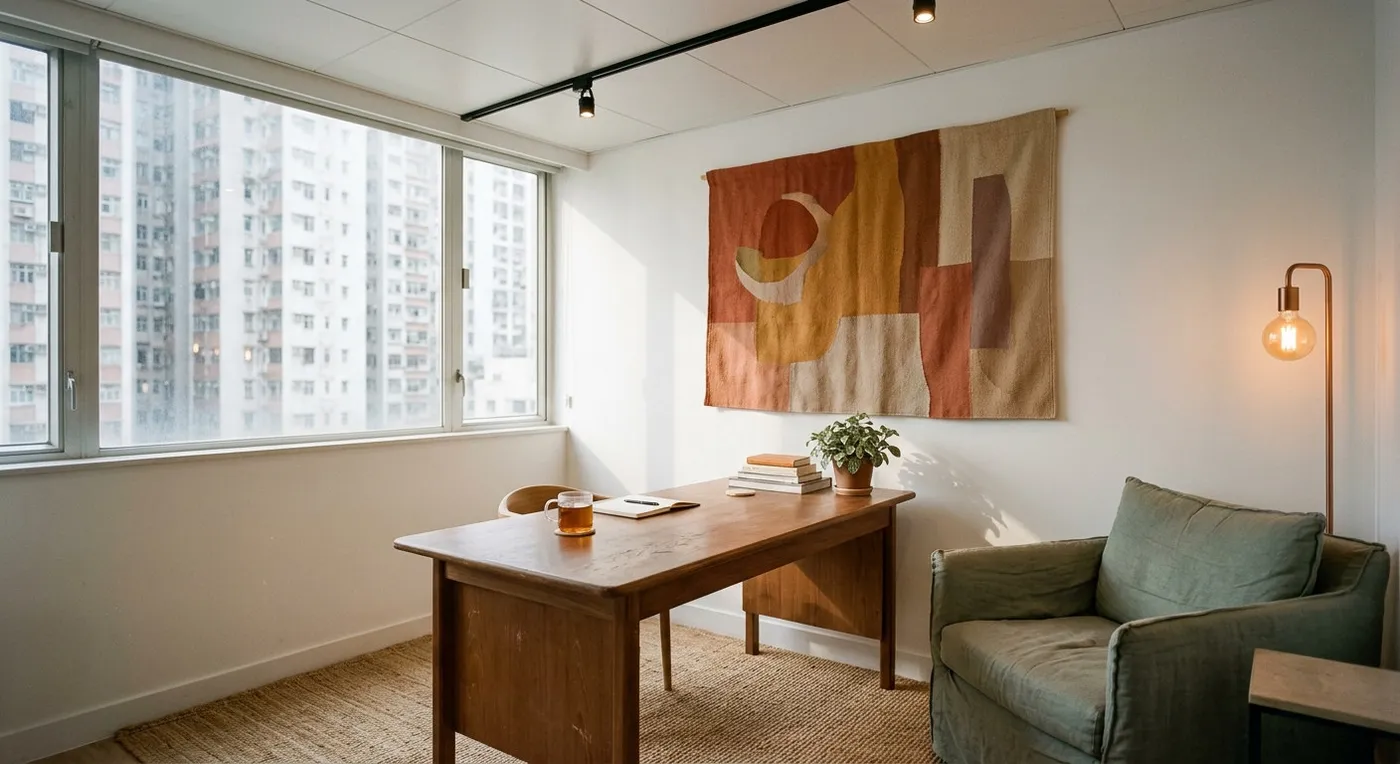
London designer Jasmine Fisher turned a rented office into something that felt like home, using warm tones and texture rather than structural change. Her project raises an interesting question for Hong Kong, where every square foot counts: can a rented office ever shake off that “temporary” feeling? At Clay Interior, we look at this from a practical, engineering-minded angle: how to shift the psychology of a space even when the lease ties your hands.
Where Design Starts Under Lease Restrictions
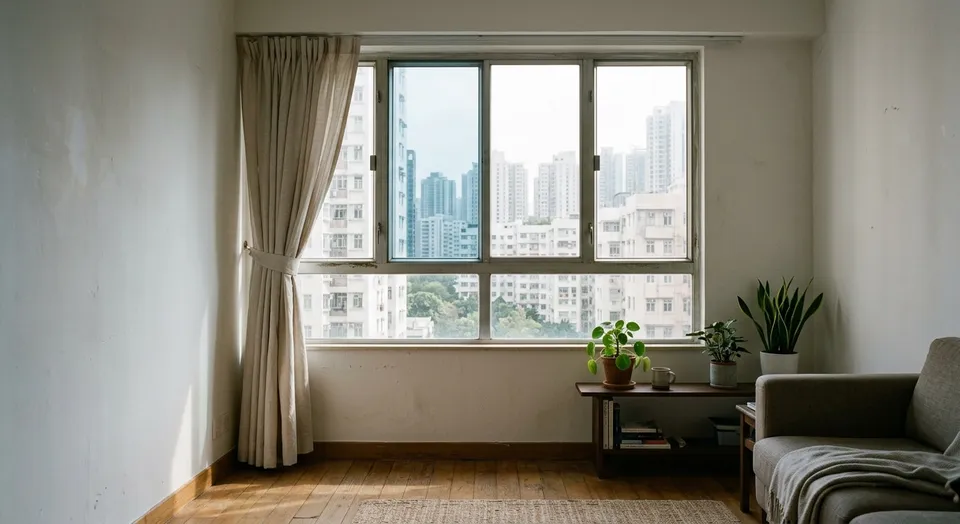
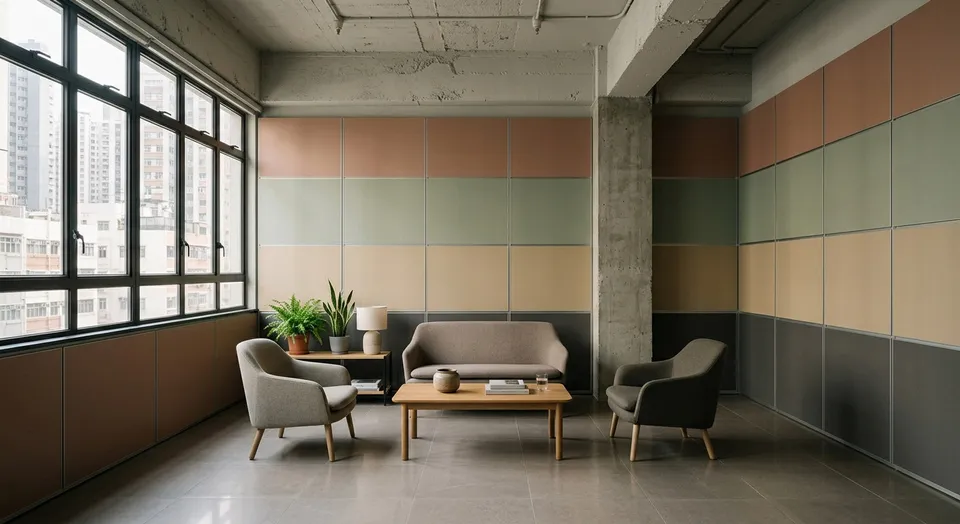
Hong Kong leases often carry more restrictions than what Fisher negotiated in London: most landlords will not allow changes to walls, floors or ceilings, and even the electrical points are often fixed. Where Fisher managed to get permission for some changes, the reality most of our clients face is “surface-level only.” That does not mean the atmosphere cannot change. The key is to focus on what is movable and removable: light fixtures, curtains, furniture, statement art pieces. Where the ceiling is low (around 8 feet), mezzanines or false ceilings are not an option for adding layers, so colour and lighting have to do the heavy lifting instead.
This approach reflects a core belief at Clay Interior: design is not about putting on a show. It is about improving how people feel in a space. As a “gentle challenger”, we do not push for expensive structural work; instead, we look for the most effective solution within the real constraints in front of us. Fisher’s project is a good reminder that a successful office fit-out does not have to involve major construction. It just has to know how to build a sense of belonging within limited conditions.
If you are facing a similar design question, please contact our team to discuss your requirements.
Discuss your space
Share your floor plan or photographs for a considered assessment of design possibilities, practical constraints and budget.