Retreat Spaces at Home: Four Planning Considerations
Drawing on a Florence design showcase, we cover four common mistakes in materials, sound, humidity, and lighting when building a home retreat corner.
A recent graduate show at the Florence Institute of Design International included projects for a women’s wellbeing centre and a digital detox centre that caught our attention. The concepts feel genuinely relevant to a high-density city like Hong Kong, but many homeowners trying to fit a retreat corner into a small flat fall short of the effect they are after, usually because of a handful of common mistakes. Drawing on space psychology and engineering considerations, we break down the four pitfalls we see most often.
Mistake One: Assuming a Retreat Space Has to Be All White
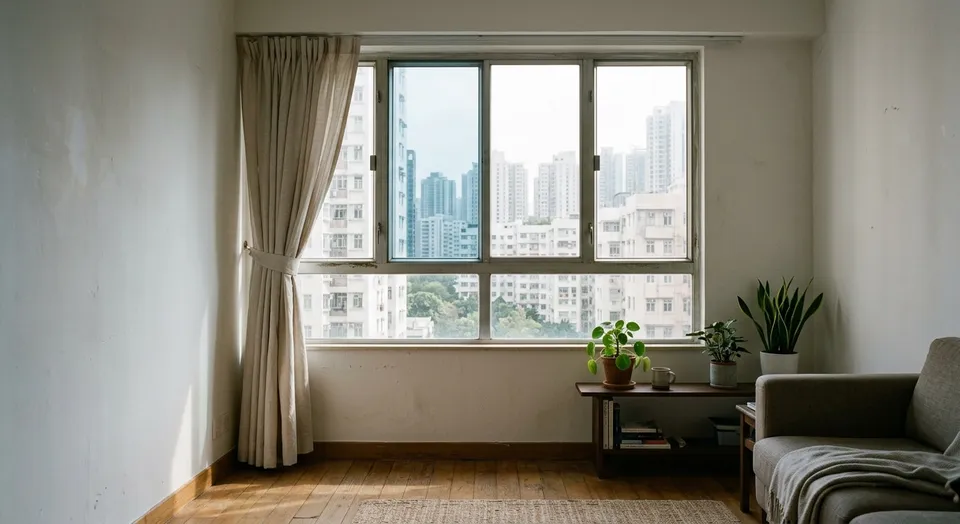
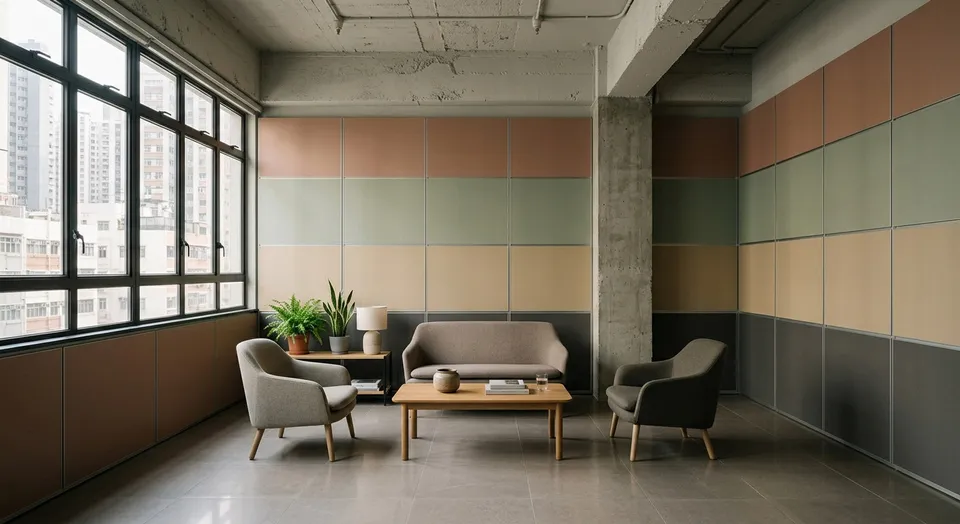
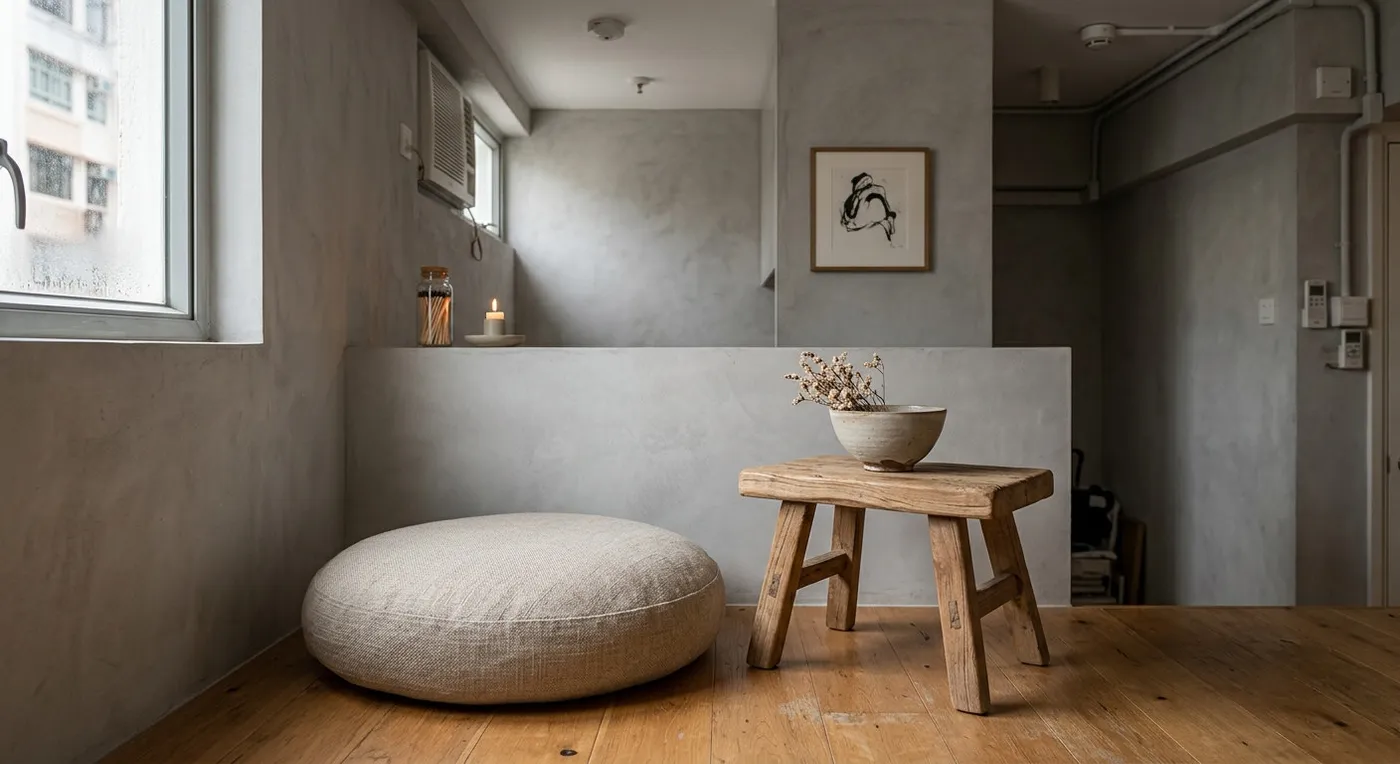
Many reference projects pair all-white surfaces with a touch of wood: visually clean, but in real living conditions, stark white walls combined with harsh LED lighting can trigger photophobia (light sensitivity). Genuine relaxation calls for low-contrast material pairings instead: swap pure white paint for a warm grey microcement finish, and use matte wood-grain panels to cut down on glare. The direction of natural light matters too. Diffused light from above or the side works best; avoid direct sun.
Mistake Two: Ignoring the Acoustic Environment
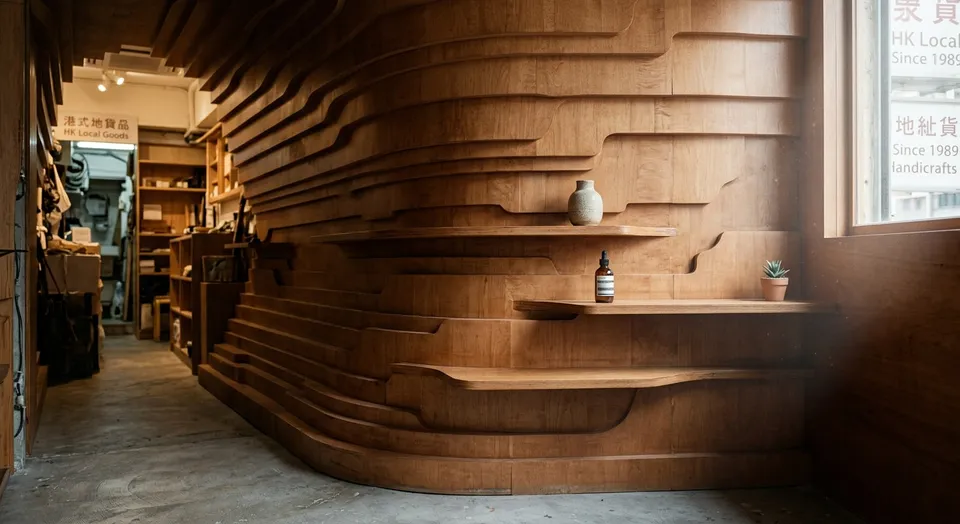
Sound insulation in Hong Kong flats is generally limited: footsteps from upstairs and traffic noise from the street both chip away at a calm atmosphere. Many people think laying down a yoga mat is enough to call a corner a retreat space, but persistent background noise makes it harder to relax. The fix is not simply piling on acoustic foam. Over-absorbing sound makes a space feel cramped and dead. Instead, mix diffusing panels with absorptive materials: wood wool panels on the ceiling, fabric-upholstered panels in patches on the wall, keeping a hint of natural reverberation so the space still sounds like a “room” rather than a soundproof booth.
Mistake Three: Overusing Natural Materials Without Accounting for Hong Kong’s Humidity
Rattan, raw wood, and linen show up constantly in European reference projects, but Hong Kong’s average humidity sits around 80%, and these materials mould or warp easily here. Rather than real rattan, consider outdoor-grade synthetic rattan or rot-treated bamboo; linen curtains can be swapped for a polyester-blend linen-look fabric that keeps the texture but lasts much longer. This is not about giving up on a natural look. It is about making a rational choice of materials suited to the climate.
Mistake Four: Ignoring How Light Affects Your Circadian Rhythm
To chase a “zen” feeling, many people use only warm, low colour-temperature lighting (around 2700K) and keep it dim for long stretches, which may affect melatonin production. A retreat space is better served by smart lighting with adjustable colour temperature: neutral 4000K light during the day to support focus (useful before meditation, for instance), shifting to a 2200K amber glow in the evening to help the body wind down. Also pay attention to the fixture’s colour rendering index (CRI above 90); otherwise plants and materials will look off, which is quietly stressful rather than calming.
A micro retreat space does not need to be big, but the details make or break it. If you are facing a similar design dilemma, please contact our team to discuss your project. We can take an objective look at your flat’s real constraints and help you find the right direction for improvement.
Discuss your space
Share your floor plan or photographs for a considered assessment of design possibilities, practical constraints and budget.