Focused Workspaces: Planning to Reduce Everyday Distractions
Starting from a graduate-designed timer gadget, this piece explains how walls, lighting and materials can create a distraction-free focus corner in a small Hong Kong flat.
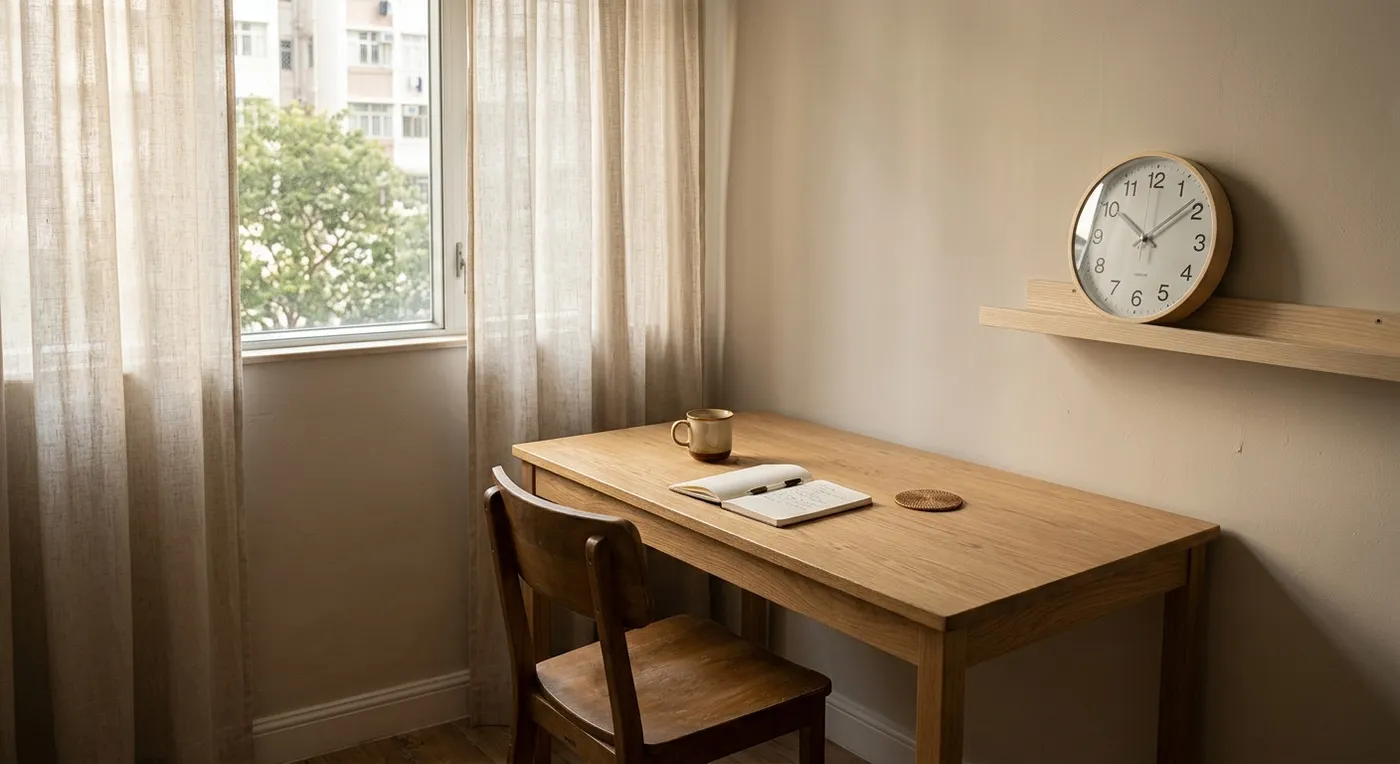
We recently came across a graduate project by UK product design student Carrie Lee: a physical timer called Immersion, styled a bit like a Tamagotchi. The concept replaces a traditional countdown with an hourglass-style display to nudge the user back into focus. It got us thinking: you do not actually need a gadget for this. The interior design of your home can already do something similar: help you slip into flow and cut down on distraction.
Focus Depends on Environment, Not Willpower
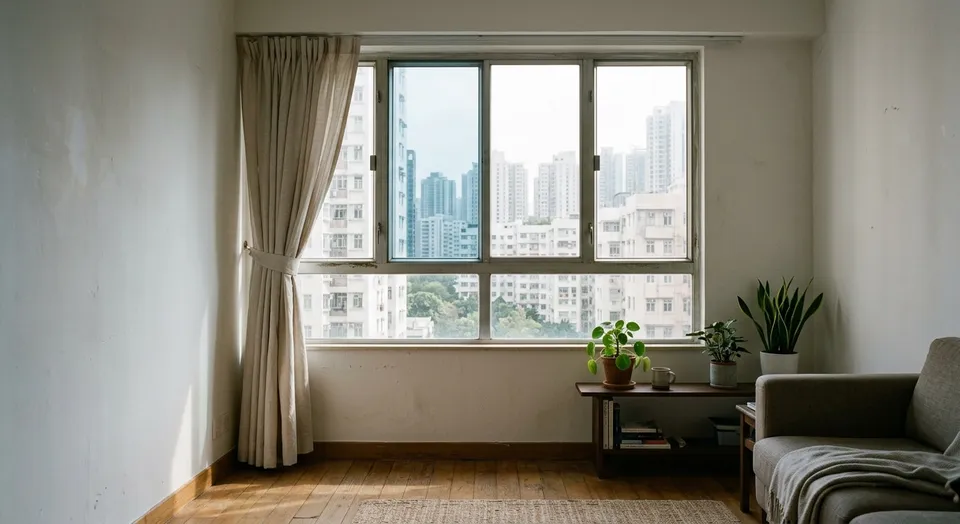
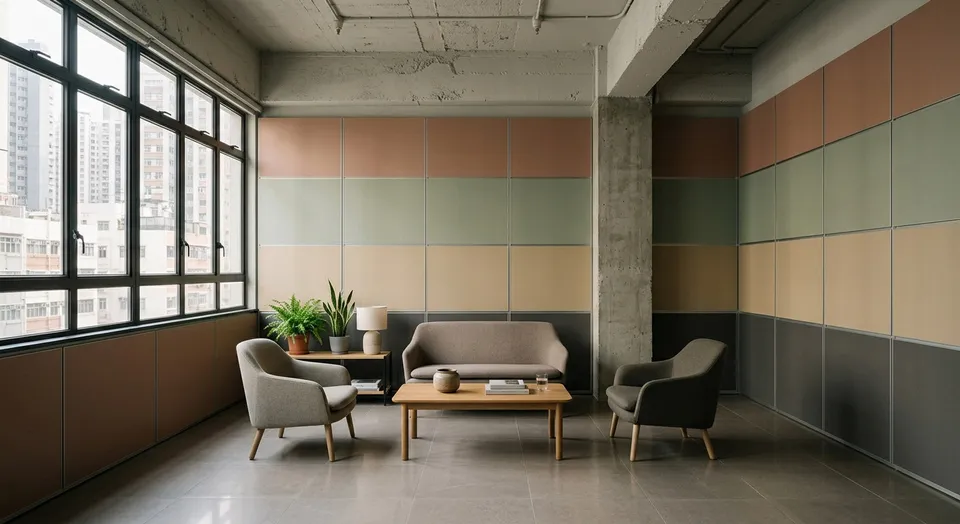
Hong Kong flats are small, and open-plan kitchens leave fewer separate rooms, so real work often ends up on the sofa with the TV running in the background. Clients frequently tell us they cannot concentrate, but the real issue is usually that the space lacks a sense of “boundary.” We often advise clients: rather than relying on willpower, use a wall, some lighting and the right materials to set a corner into “focus mode.”
In practice, none of this is high-tech, and you still need to account for your flat’s actual dimensions and which way your windows face. If a window gets west-facing afternoon sun, for instance, the glare will bounce straight off your computer screen, which makes it a poor spot for a focus corner. When we design these spaces, we are upfront with clients about which elements genuinely work and which ones are compromises forced by physical constraints.
If you are facing a similar design dilemma, please contact our team to discuss your requirements.
Discuss your space
Share your floor plan or photographs for a considered assessment of design possibilities, practical constraints and budget.