Glass-Brick Partitions: Balancing Daylight and Privacy
How glass brick partitions solve windowless bathrooms and dark rooms in Hong Kong flats, and the site limitations to consider, inspired by a Melbourne renovation.
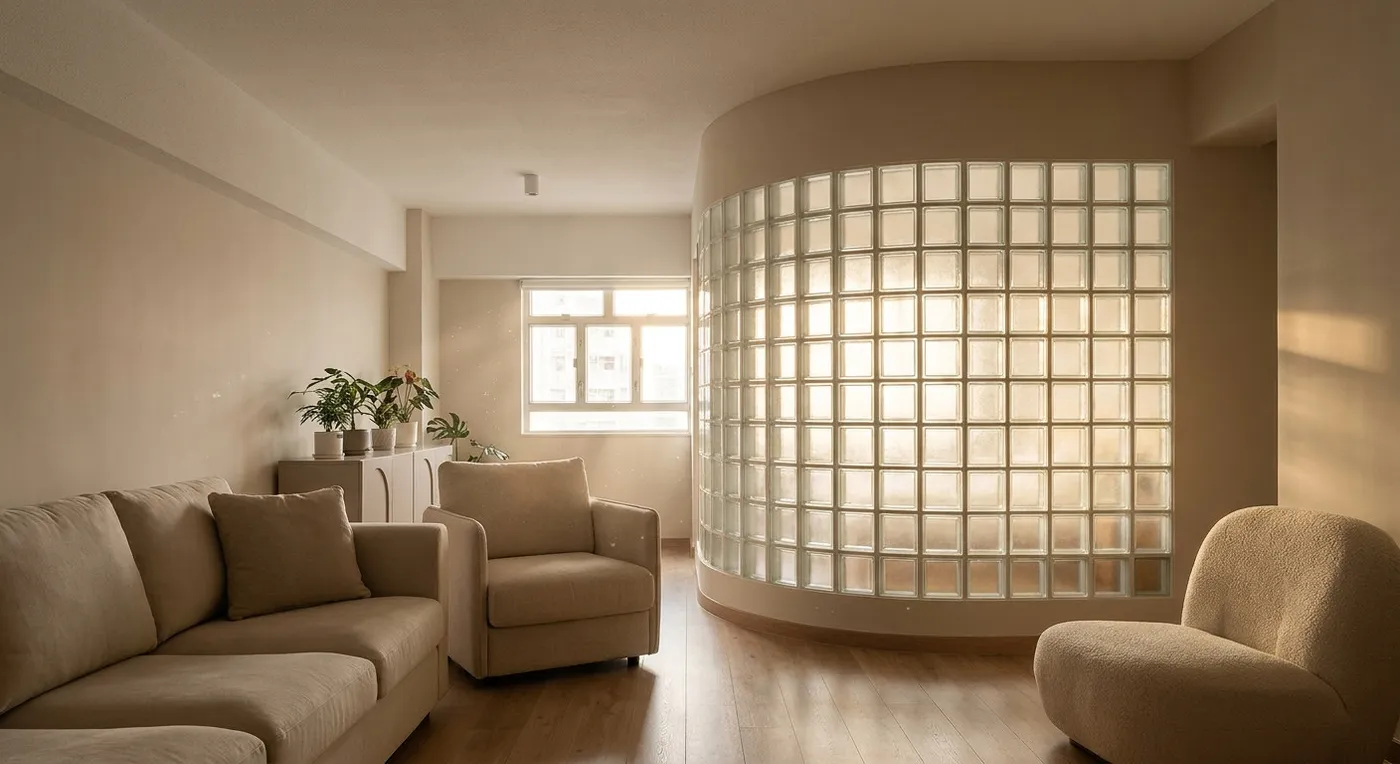
What struck me most about that Melbourne home converted from a century-old corner shop was not the preserved tiles or the greenery-filled courtyard. It was the row of glass bricks that replaced the street-facing shopfront windows. The designer put it plainly: “The glass bricks preserved the rhythm of the façade, but completely changed what the window does.” That line captures a dilemma that comes up constantly in Hong Kong homes: how do you bring light into a cramped space without exposing yourself to the neighbours?
Three practical benefits of glass bricks
Hong Kong flats often suffer from windowless bathrooms and living rooms that hog all the light while the bedrooms stay dark. The conventional fix is a high window or frosted glass, but glass bricks offer another option.
Pitfalls to watch for in Hong Kong
Glass bricks are not perfect, and there are real site constraints that need to be weighed objectively.
Practical tip: with Hong Kong’s standard 8-foot ceiling height, a glass brick wall works best kept under 2.1 metres, with a ventilated louvre left open above it. In a bathroom, you can build just a half-height wall and pair it with a glass window on top, giving you both light and airflow. Before altering a wall or window, have it assessed by a qualified professional and, where required, obtain Buildings Department approval.
If you are facing a similar design dilemma (say, wanting to change a layout to improve natural light but worried about privacy or structural issues) please contact our team to discuss your requirements. Every decision comes with trade-offs, and we can help you weigh them objectively.
Discuss your space
Share your floor plan or photographs for a considered assessment of design possibilities, practical constraints and budget.