Optical Design and AI Vision: Considerations for Residential Use
Exploring the Decoy Font concept and whether illusion-based interior design could protect privacy from AI cameras and smart-home sensors, and its limits.
A design studio abroad, Mixfont, recently unveiled a typeface called Decoy Font, built on a clear goal: trick AI into misreading text. The foreground uses thin, clean strokes to form legible letters, while a blurred, dark-shaped background generates visual noise: the human eye reads an “A”, but a machine’s scan might come out as a “B”. Could this “feed AI a decoy” trick carry over into interior design? We are not here to oversell it, but we do want to seriously unpack the idea: how might illusion design be used in the home to hold onto a little privacy in the age of AI?
Human Eyes and AI Read a Space in Two Different Languages
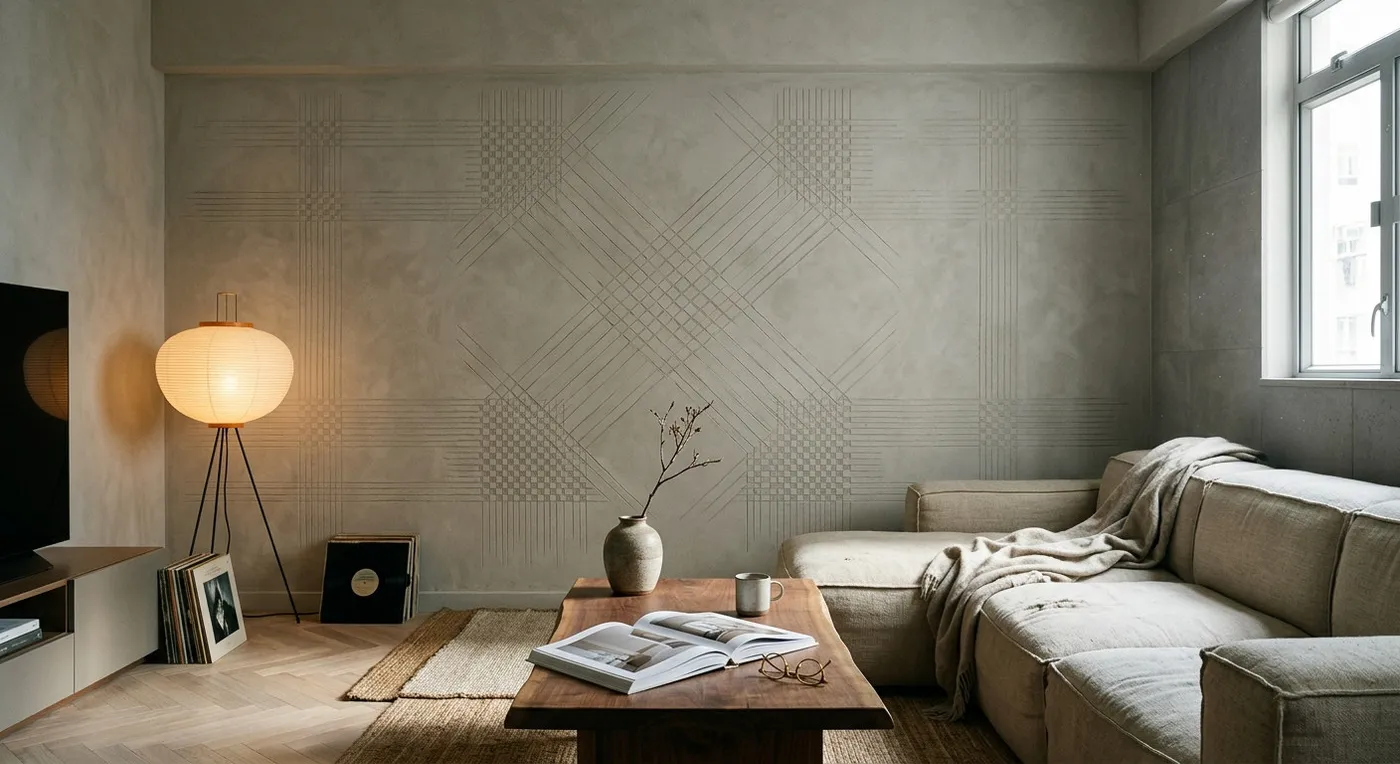
When a person walks into a home, they read circulation, light, and proportion first. AI and smart-home sensors work differently: they “understand” a space through the pixels a camera captures, combined with data from depth sensors such as LiDAR or ToF. Give a wall or floor a particular texture, or push the light-dark contrast strong enough, and you can throw that reading off. There is no magic in this: it is simply a blind spot built into how image-analysis models work.
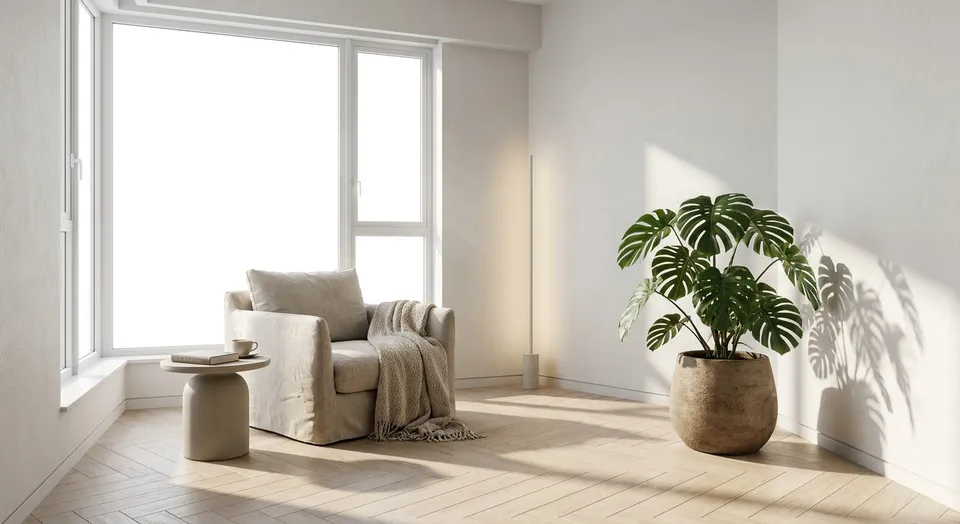
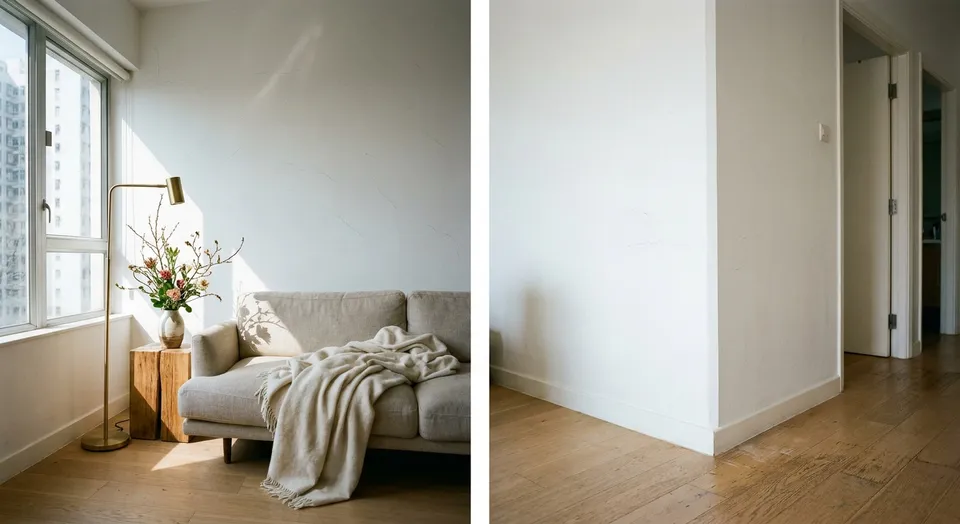
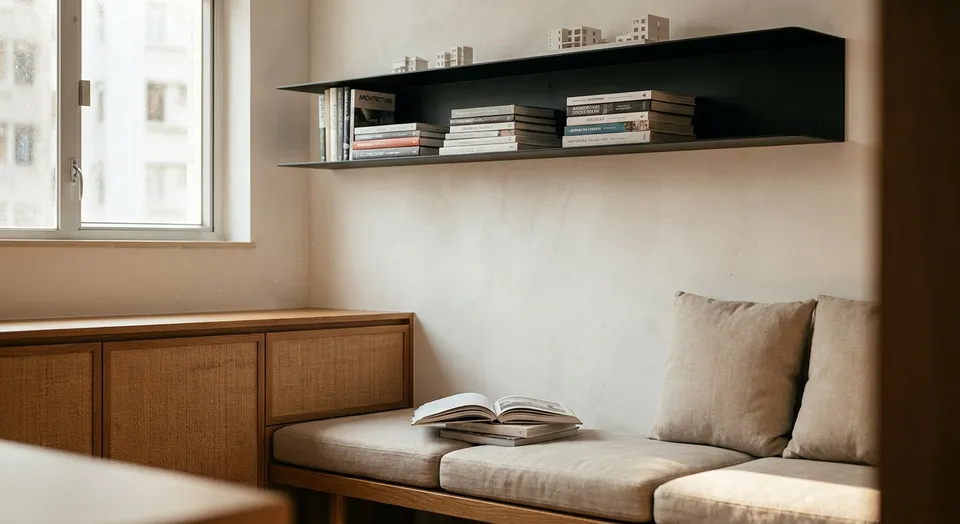
Decoy ideas like this can be applied to wall and floor textures, though each comes with a trade-off.
Practical Considerations: Decoys Are No Silver Bullet
How well these techniques work depends heavily on the training data and algorithms behind any given AI system. What works today might well be patched out tomorrow. And if your real concern is simply guarding against home surveillance cameras, you are better off tightening your network security and not posting home photos publicly than relying on patterns and textures to do the job. At its core, spatial design is about making a home comfortable to live in, not about outsmarting machines.
That said, if you enjoy experimental design and do not mind layering in a touch of “illusion” for the sake of privacy, the concept is well worth playing with. We can start experimenting through pattern scale, material pairing, and layers of light and shadow. Design was never black and white: it is a series of trade-offs.
If you are facing a similar design dilemma, please contact our team to discuss your requirements.
Discuss your space
Share your floor plan or photographs for a considered assessment of design possibilities, practical constraints and budget.