Office Seating: Comfort, Materials and Structure
Using Keilhauer and Yabu Pushelberg's Etta Collection as a cue, we weigh the material and structural limits of hotel-style soft seating in small HK offices.
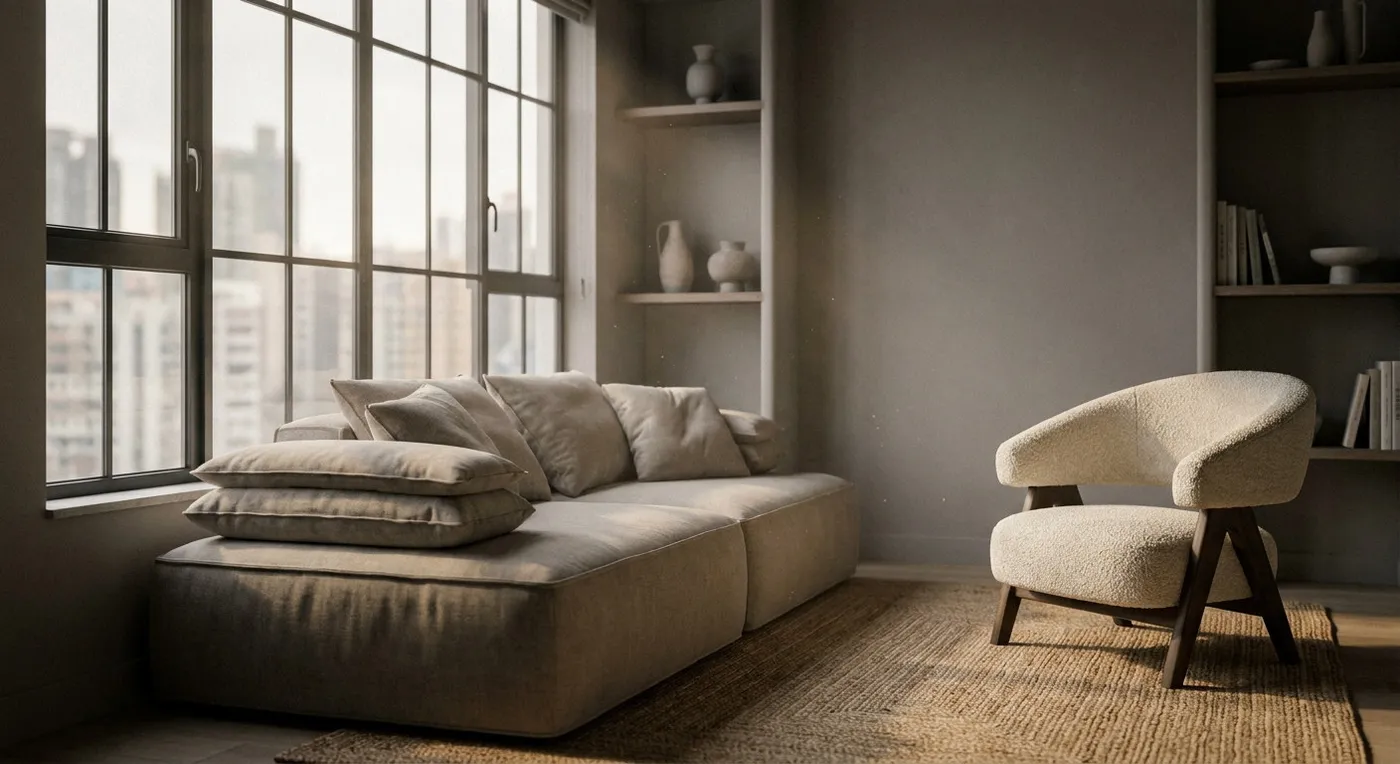
We recently came across the Etta Collection, a collaboration between Keilhauer and Yabu Pushelberg, who spoke at NeoCon about “softening” contract seating: evoking the luxury feel of hotels and residential interiors. Hong Kong spaces are small, and plenty of people want that same effect at home or in a compact office, but they often overlook the physical limits of materials and structure. This piece takes an objective look at the “softening” trend: which materials hold up, and where the pitfalls lie.
1. Soft, But Not Just About Padding
Many clients assume “soft” simply means a thick cushion, but real comfort actually comes from the support structure underneath. The Etta Collection uses a layered combination of foam densities, rather than a single soft foam. In Hong Kong’s humid climate, low-density foam is prone to sagging and mould.
2. Structural Limits: Making the Most of a Small Footprint
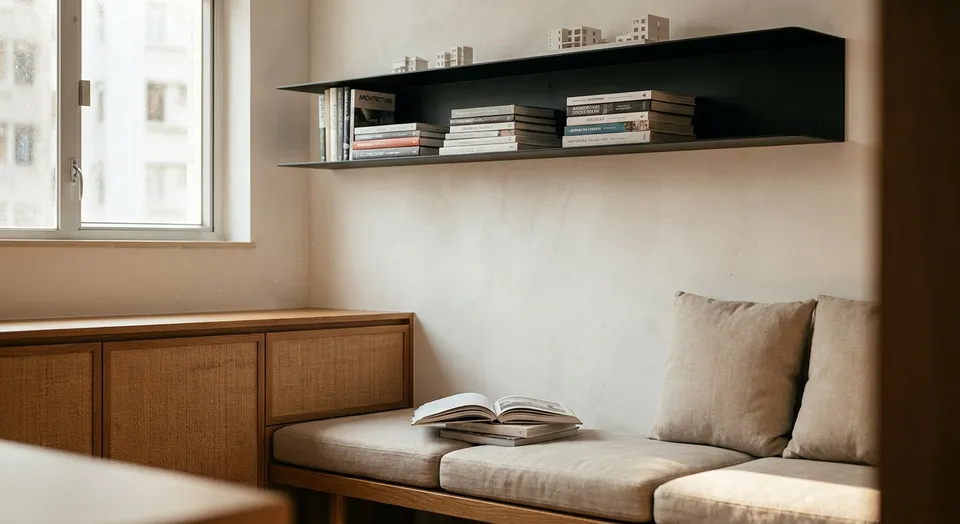
The Etta Collection runs to some 26 pieces, from sofas to lounge chairs to benches. But in Hong Kong, with an 8-foot ceiling and maybe 300 square feet of usable space, how do you actually fit hotel-grade seating in? The key is modularity and multi-functionality. Much as Yabu Pushelberg blurred the line between contract and hospitality design, you can swap a traditional sofa for a transformable bench: storage underneath, seating on top, even doubling as a work surface. Just be aware that the hardware in this kind of multi-function furniture needs to be genuinely durable: do not cut corners with cheap alloy sliding rails; solid steel is more durable.
3. The Objective Takeaway: Finding Balance Between Soft and Hard
“Softening” does not have to mean sacrificing durability. If you want this look in your Hong Kong flat or office, start by considering how frequently the space is used and what it is for. In high-traffic areas, go for high-resilience (HR) foam paired with performance fabric; in a private corner, memory foam with a velvet finish works well. And remember to leave room for ventilation and cleaning: do not let the pursuit of “softness” turn the space into a tightly packed box.
If you are facing a similar design question, please contact our team to discuss your project.
Discuss your space
Share your floor plan or photographs for a considered assessment of design possibilities, practical constraints and budget.