Detail in Compact Homes: Character and Everyday Experience
Borrowing the Easter-egg concept from the LEGO x Olivia Rodrigo collaboration, we explain how to add low-cost design surprises within Hong Kong's small flats and low ceilings, plus the pitfalls and resale considerations.
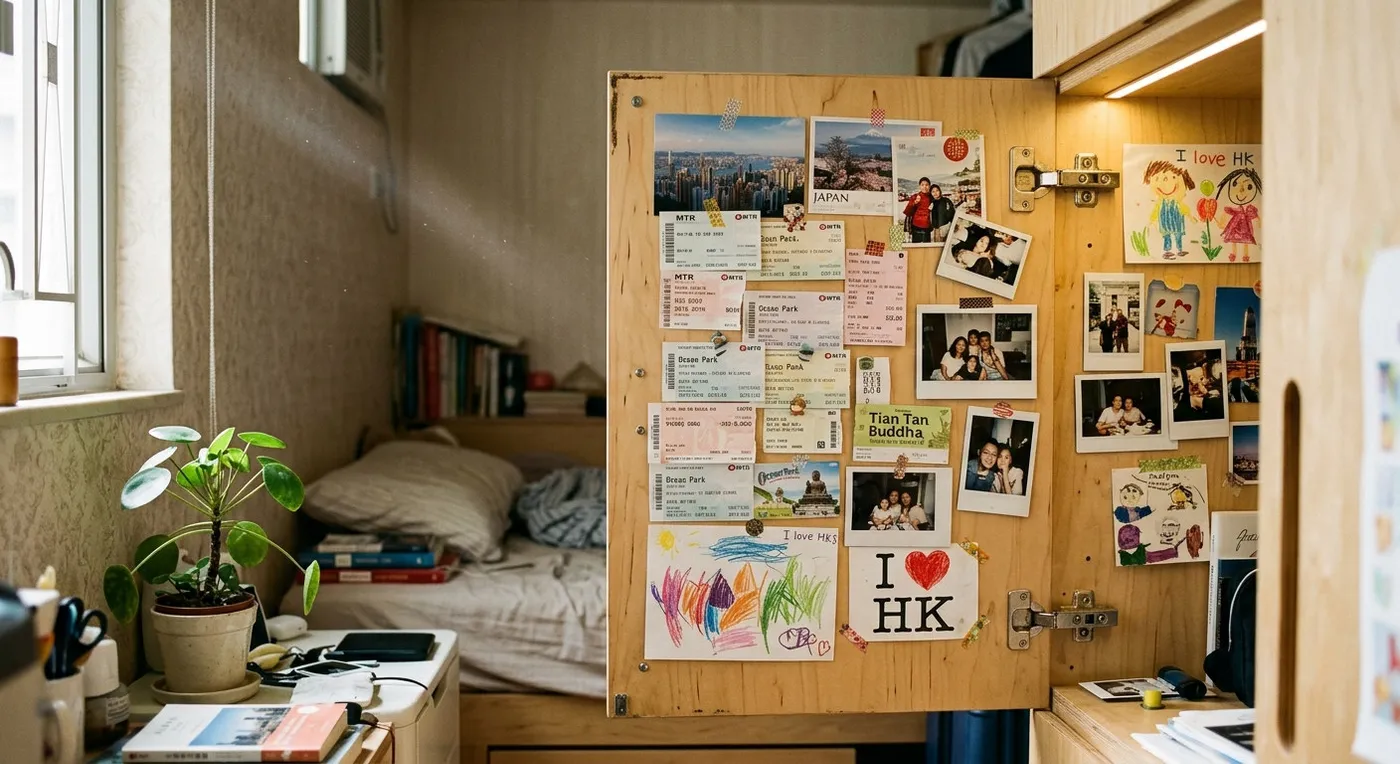
Anyone who has built the LEGO x Olivia Rodrigo collection will remember how each set hides Easter eggs that only fans would spot: a handwritten notebook, a red megaphone, a butterfly, a star. The point is not to show off craftsmanship: it is that the act of discovering these details deepens the owner’s connection to the thing itself. That idea translates directly into Hong Kong, a place where homes are small, ceilings run low, and layouts are often fragmented. We at CLAY have recently been working out how to build these “design Easter eggs” into limited space, not for show, but to add daily delight and a sense of belonging.
What Counts as a Design Easter Egg? It Is Not About Piling On Decoration
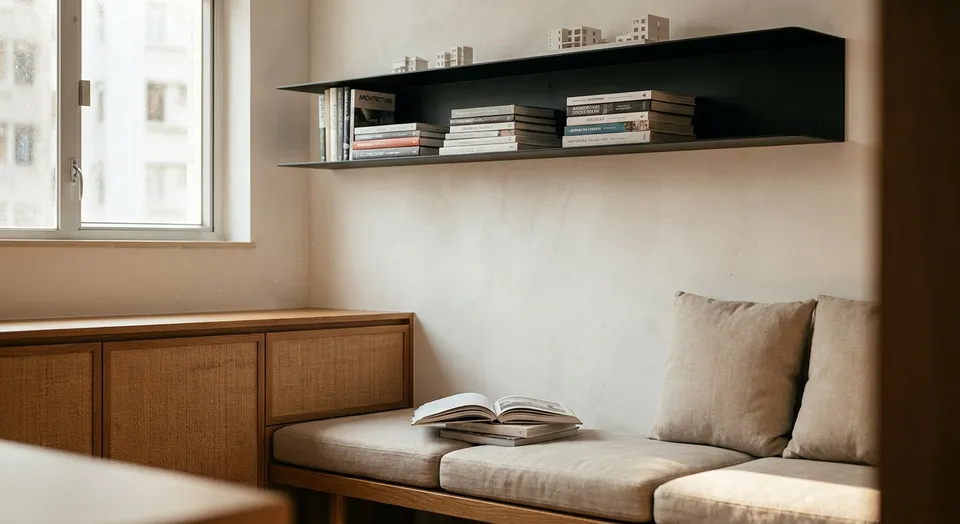
A common misconception in Hong Kong is that “hidden design” means secret doors, false ceilings, or motorised furniture. But an Easter egg can be far simpler: a groove under the kitchen wall cabinet for resting a phone (which doubles as a bit of mood lighting), a bathroom mirror cabinet with magnetically fixed shelves so you can reposition them freely, or a small “secret compartment” behind the headboard for valuables. None of these need much floor area: what they demand instead is close attention to how the client actually lives.
Here are a few approaches we have tried ourselves: cost-controlled and genuinely fun.
An Honest Look: The Pitfalls of Easter-Egg Design
This approach is not without its downsides. The most common problem is overdoing it: getting greedy and cramming in too many details, which ends up looking cluttered instead. There is a physical limitation too: with Hong Kong’s typical 8-foot ceiling, any hidden structure that eats into vertical space (storage built into a false ceiling, for instance) sacrifices a few precious inches of height, which can affect ventilation or just make the room feel more cramped. And when it comes time to resell, overly personal Easter eggs (a CD rack built into the wall, say) can put off potential buyers. Our advice is to concentrate these details on furniture you can change later, like movable shelving or magnetic finishes, rather than embedding them permanently into a load-bearing wall.
The Bottom Line: Respond to How You Live, and Be Honest With Yourself
Over the years, we have found that the most successful Easter eggs are not built on spending: they reflect the homeowner’s genuine interests and the traces of how they actually live. When the LEGO team worked with Olivia Rodrigo, they even took fan feedback into account. In our own design process, we spend time understanding how you use every corner of your home, then use the plainest materials (wood, glass, metal) to make it a home you recognise as unmistakably yours at a glance. That is the kind of design that actually lasts.
If you are facing a similar design question, please contact our team to discuss your project.
Discuss your space
Share your floor plan or photographs for a considered assessment of design possibilities, practical constraints and budget.