IKEA BLANDA: Multifunctional Uses for Everyday Objects
Using the IKEA BLANDA bowl as a case study, we compare glass and stainless steel and show how multi-use thinking creates spatial flexibility in small Hong Kong flats.
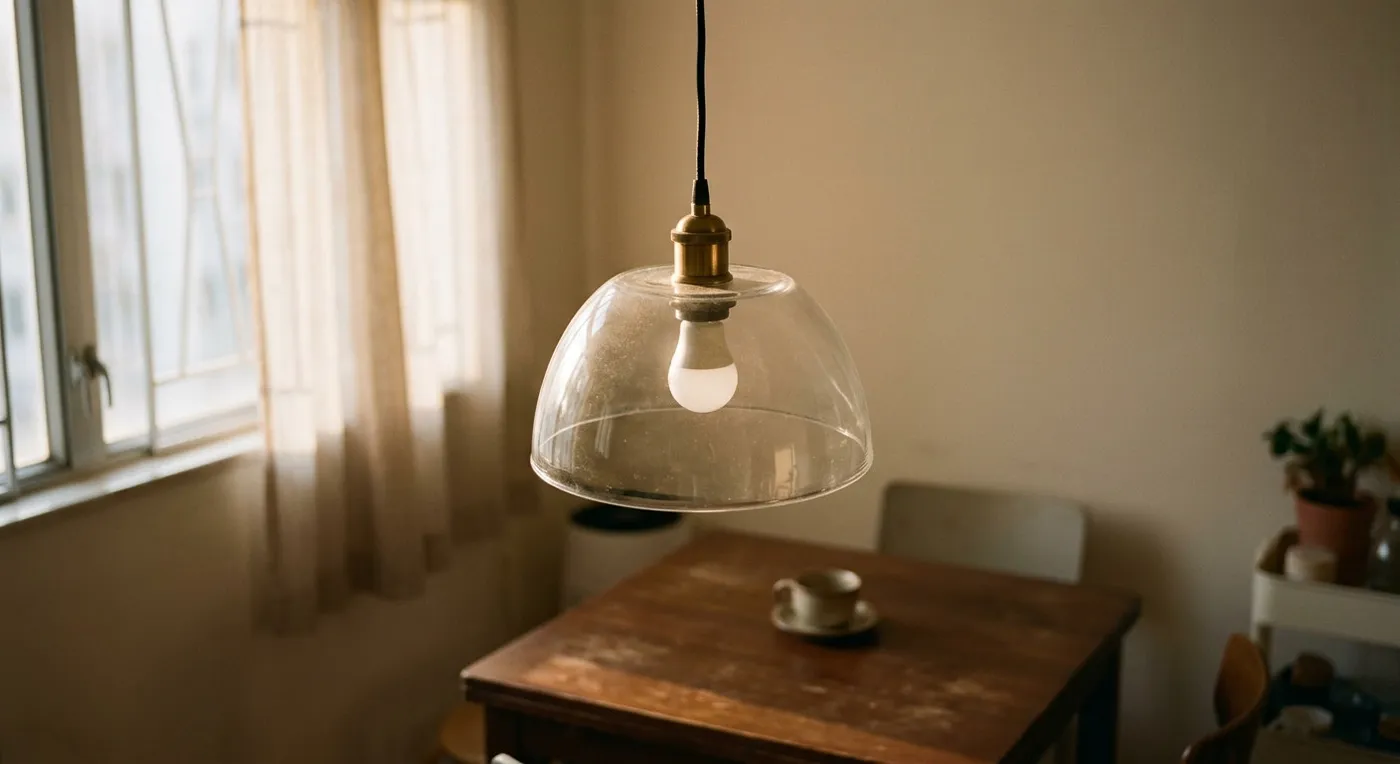
When a bowl stops being just a bowl, it can become a lampshade, a birdhouse, a coffee table, even a wind gauge. IKEA’s BLANDA series (made in glass or stainless steel) has a form so pared-back it barely qualifies as “design.” But it is exactly that restraint that makes it the most versatile basic piece around. As an interior designer, I often remind clients: instead of chasing the newest furniture trend, learn how to make one ordinary object do more for your entire space.
Glass vs. Stainless Steel: Weighing the Trade-offs
The BLANDA family comes mainly in two finishes: clear glass and stainless steel (BLANDA BLANK). Each has its own strengths and weaknesses, and it is worth being clear on your own needs before choosing.
The most common misconception is that the glass version only suits a modern look, and the stainless steel version only suits an industrial one. In practice, either can work anywhere with the right styling: flip a glass bowl over to use as a cloche over a small object, and it reads Scandinavian; hang a stainless steel bowl by the window as a makeshift wind chime, and the reflected light throws shifting patterns across the room. The material itself is never the problem: the problem is forcing it against its own nature.
Why Small Hong Kong Flats Especially Need This Multi-Use Mindset
Hong Kong flats have small usable areas and 8-foot ceilings, so there is little room for the bulky furniture you would see abroad. Plenty of homeowners end up asking: how do I make my home feel spacious and still be practical? One answer lies in using pieces that can be repurposed. That is the whole point of IKEA adaptations: thinking outside the standard use. Flip a BLANDA bowl over, fit a light socket, and it is a pendant lamp; turn it upside down on the floor, add a glass top, and it is a side table; drill a few holes and hang it from a balcony ceiling, and it can give a rough indication of wind strength (the wider the bowl swings, the stronger the gust), though it is no substitute for an anemometer. Adaptations involving electrical connections or drilling into the ceiling should be handled by a qualified, registered electrical worker or contractor. These adaptations cost only tens of dollars, but the spatial flexibility they add is well out of proportion to the cost.
I have seen a client stack three stainless steel BLANDA bowls, secured through the middle with a single screw, to make a magazine rack. It is clean-looking and barely takes up any floor space. The key is understanding each material’s load limits: the glass version is only good for static display, while the stainless steel version bears weight better. Working out these details for the client is part of a designer’s role.
If you are facing a similar design question, please contact our team to discuss your project. Next time you spot a BLANDA bowl at IKEA, you may think a few steps further.
Discuss your space
Share your floor plan or photographs for a considered assessment of design possibilities, practical constraints and budget.