Tea-Waste Materials: Design Applications and Environmental Considerations
From a materials-science perspective, we look at the benefits and caveats of eco-materials like tea-waste incense, and how to use them thoughtfully at home.
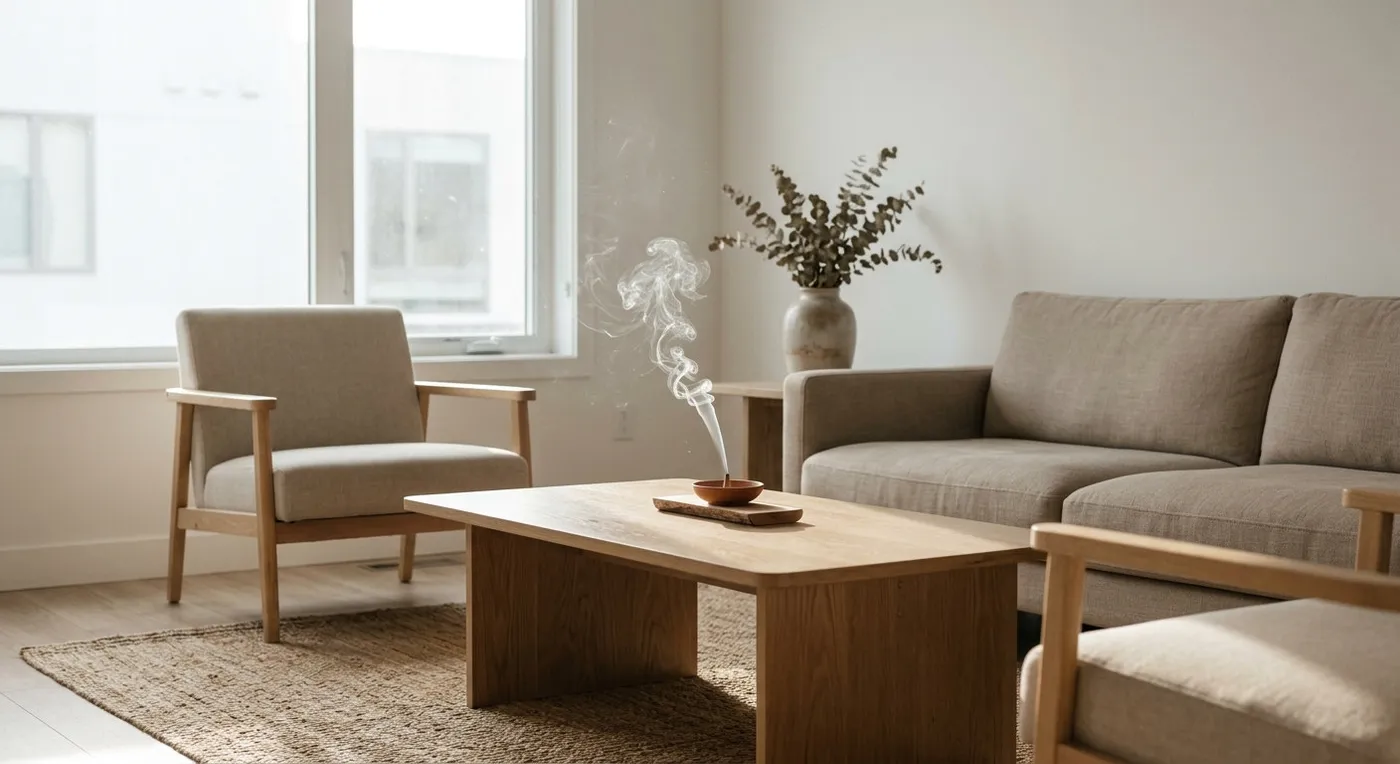
A recent PolyU student project turning herbal tea waste into a range of incense caught our attention. Turning kitchen waste into a design element sounds great in theory, but does it actually hold up in use? This post takes an honest look, from both a materials-science and spatial-psychology angle, at the pros and cons of this kind of eco-material, to help you avoid common pitfalls when pursuing sustainable design.
The Upside First: Why Is It Worth Trying?
The most direct benefit of turning tea waste into incense is cutting down landfill burden. The natural scent is also gentle, without the sharpness of chemical fragrances. For Hong Kong homes that care about feng shui, traditional feng shui thinking regards this kind of organic material as helping to harmonise the “energy” of a space, provided it is handled properly.
How Do You Use It Well?
The safest approach is to treat this kind of incense as an accent, not the centrepiece: placed, say, in an entryway or a meditation corner, set on a ceramic or wooden holder, which helps balance humidity while highlighting its handmade character. Remember: eco-materials are there to complement a space, not the other way around, cluttering it up.
If you are facing a similar design dilemma, please contact our team to discuss your project.
Discuss your space
Share your floor plan or photographs for a considered assessment of design possibilities, practical constraints and budget.