Home Design for Sensitive Occupants: Materials and Indoor Conditions
How households with sensitivities can compare flooring, coatings and textiles through product emissions, installation details and everyday maintenance.
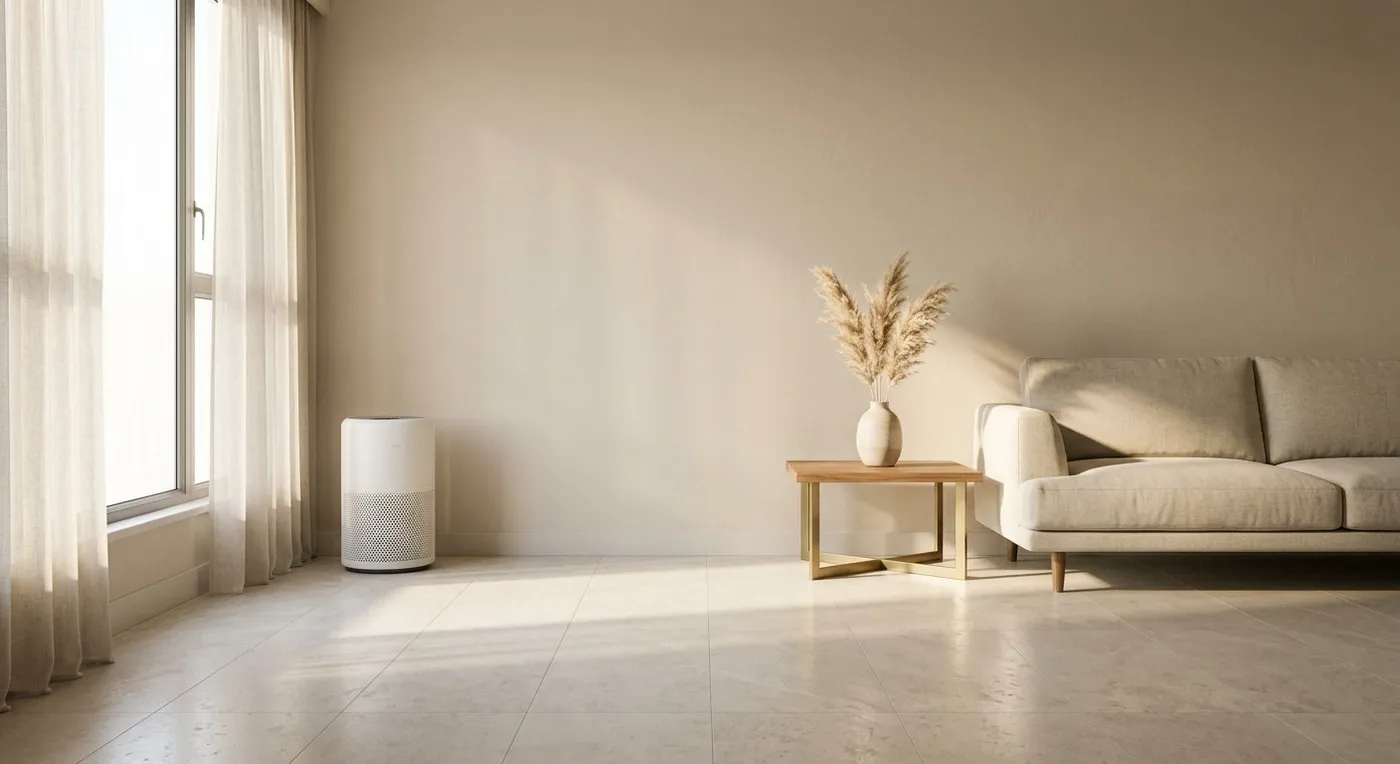
Where a household member has respiratory sensitivities or other health needs, material selection should begin with those individual requirements. Labels such as “natural”, “antibacterial” or “formaldehyde-free” do not establish that a material is suitable for everyone.
Flooring: Compare the Complete Product and Installation
Solid wood, engineered wood, vinyl flooring including LVT, and linoleum have different finishes and installation systems. SPC and LVT should not simply be treated as interchangeable products. Request emissions information for the specific product, including its substrate, adhesive and coatings, rather than assuming a whole category is waterproof or free of emissions.
An engineered wood floor’s plywood base does not automatically mean lower emissions. The US EPA identifies some pressed wood products and renovation materials as potential indoor pollution sources; source control and ventilation both matter. Reference: EPA on formaldehyde indoors.
Walls and Coatings: Assess Emissions and Moisture Separately
Mineral paints, diatomaceous earth plaster and latex paints vary by formulation. None of these categories should be universally described as nearly VOC-free or mould-preventing. Resolve leaks, condensation and ventilation problems first: coatings cannot replace moisture control. Reference: EPA guide to mould and moisture.
Textiles: Plan for Everyday Cleaning
Compare curtains, sofa covers and rugs by how they can be removed, washed and dried. Cotton, Lyocell or an antibacterial treatment does not guarantee suitability for every sensitive person. Individual reactions, cleaning routines and the room’s conditions also matter.
A design team can help organise product and installation information. Discuss specific asthma, allergy or chronic illness needs with a healthcare professional; renovation materials are not a treatment for disease.
Discuss your space
Share your floor plan or photographs for a considered assessment of design possibilities, practical constraints and budget.