OSB Boards: Cost, Value and Application Limits
A cost, strength, and moisture-resistance comparison of OSB board and plywood, showing when OSB offers good value in dry, non-structural spaces.
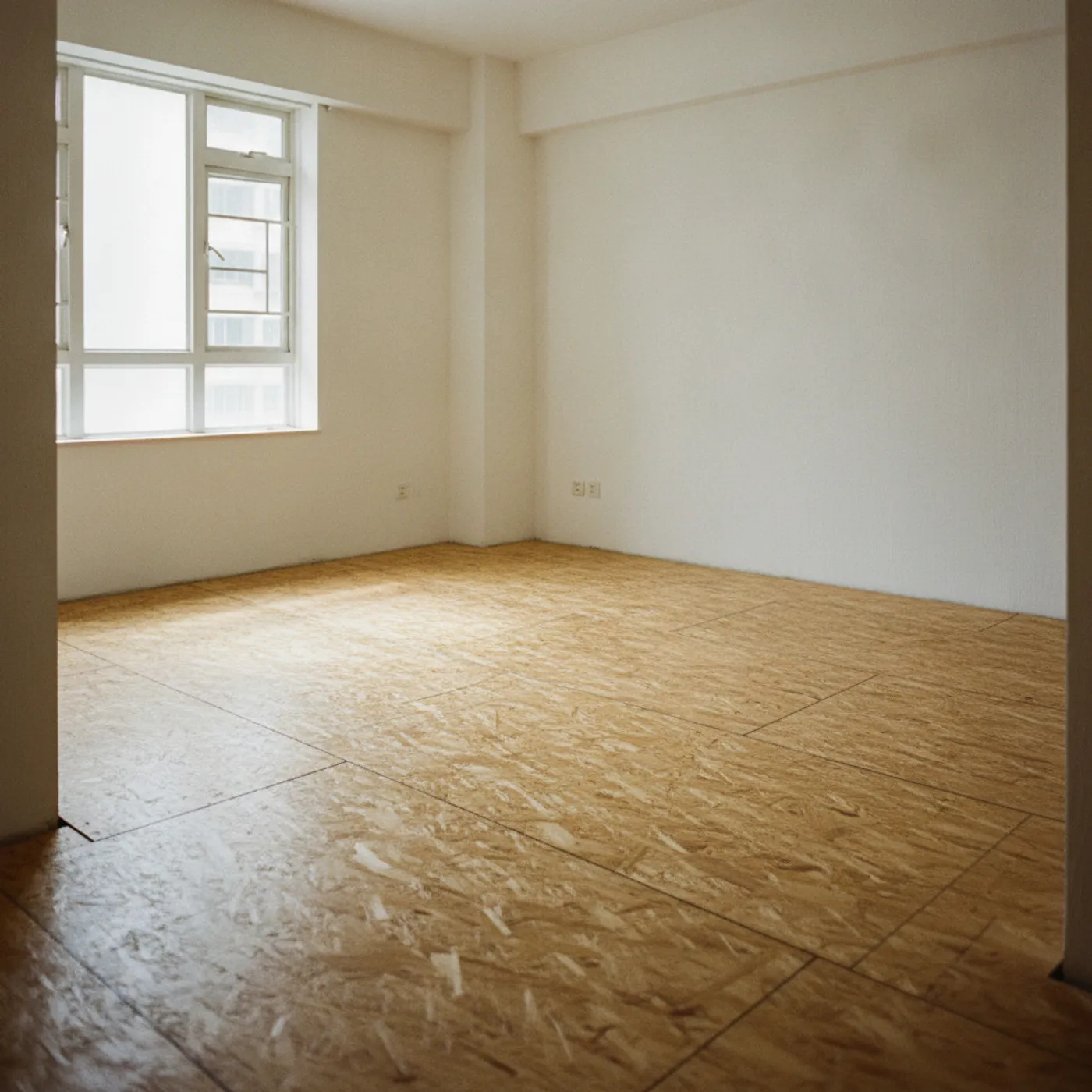
Every renovation quote seems to have the words “OSB board” on it somewhere, priced well below plywood. But does it actually save you money, or does going cheap end up costing more in repairs later? This article takes a budget-planning approach, using figures to examine what OSB board is really worth and to help you tell where it is a sound choice and where it is not.
What Is OSB Board, and Why Is It So Cheap?
OSB (Oriented Strand Board) is made from wood strands that are oriented and pressed together with resin under heat. Its production cost generally runs about 20-30% lower than plywood, and its strength comes in at around 85-90% of plywood’s. The catch is poor moisture resistance: its swelling rate when exposed to water can reach 8-12%, compared with about 2-5% for plywood. These figures vary with product grade and brand and are given for comparison only.
The Numbers: OSB vs Plywood vs MDF
Each of the three board types comes with its own trade-offs. OSB is the cheapest to produce and reasonably strong, but it has the weakest moisture resistance of the three. Plywood costs noticeably more, but in return offers far more stable moisture performance. MDF (medium-density fibreboard) has a smooth surface that is great for painting or veneering, but its structural strength and moisture resistance both fall short of plywood. Which one to choose ultimately comes down to how dry the space is and whether the panel will bear structural load.
Spending Wisely: 3 Scenarios Where OSB Board Earns Its Keep
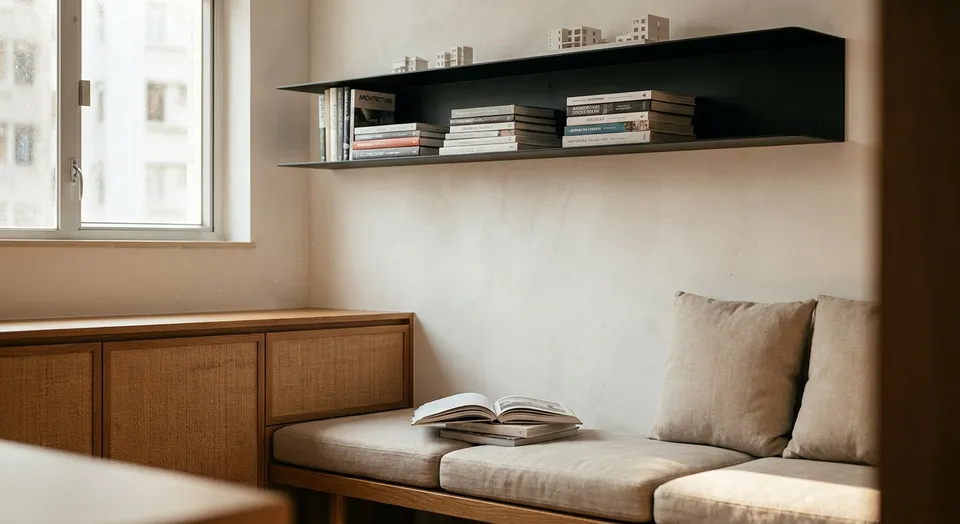
If your budget is tight and your flat is dry, there are a few places where OSB board can save you real money: non-structural decorative wall panels, the backing of industrial-style open shelving, and the interior lining of storage cabinets that never come into direct contact with water. These spots have low moisture-resistance requirements, and OSB’s raw, textured look is actually a plus there.
3 Questions to Ask Your Designer Before Using OSB Board
Do not rush into it just because it is cheap. Get clear answers before you commit: Will this spot ever be exposed to moisture or higher humidity down the line? Will the surface stay exposed, or will it be painted and sealed at the edges? If it warps later, are the repair cost and difficulty something you can live with? Only once you have answered all three should you decide whether it is worth using.
Conclusion: Use OSB Board Smartly and Save Money, Not Quality
OSB board is neither a miracle material nor junk: it is a money-saving tool for specific conditions. Used in dry, non-structural spots where a raw, industrial look is welcome, its value for money is hard to beat. If you are weighing up renovation materials, we welcome you to discuss your design needs with us. We will help you direct your budget to where it matters most.
Discuss your space
Share your floor plan or photographs for a considered assessment of design possibilities, practical constraints and budget.