Natural Texture and Material Imitation: Reflections on Haas Brothers
The Haas Brothers' Uncanny Valley show at MAD reframes why "faux-natural" materials like engineered stone and microcement feel unsettling in interiors.
New York’s Museum of Arts and Design (MAD) recently opened a major exhibition of the Haas Brothers’ work, Uncanny Valley, spanning fifteen years of output from the twin-brother duo: from biomorphic furniture to intricately beaded sculptures that blur the line between art and design. The show’s title borrows a term originally used to describe robots that look almost, but not quite, human, unsettling for being so close to real. In interior design, materials that are “almost but not quite” real can trigger the same kind of psychological discomfort.
What Is the “Uncanny Valley”? From Art to Interiors
The Haas Brothers deliberately leave the hand of the maker visible in their work. Even when they cast coral or plant forms in aluminium or ceramic, they never chase perfect verisimilitude; instead, exaggerated forms and vivid colour make it obvious at a glance that you are looking at art. Most residential design does the opposite: microcement standing in for board-formed concrete, engineered stone standing in for marble, artificial plants standing in for real ones. When the imitation gets close enough to convincing but still falls just short, the brain tends to register that something is “off,” and unease follows. That is the uncanny valley effect showing up in interior space.
Breaking the Illusion With Honest Craft
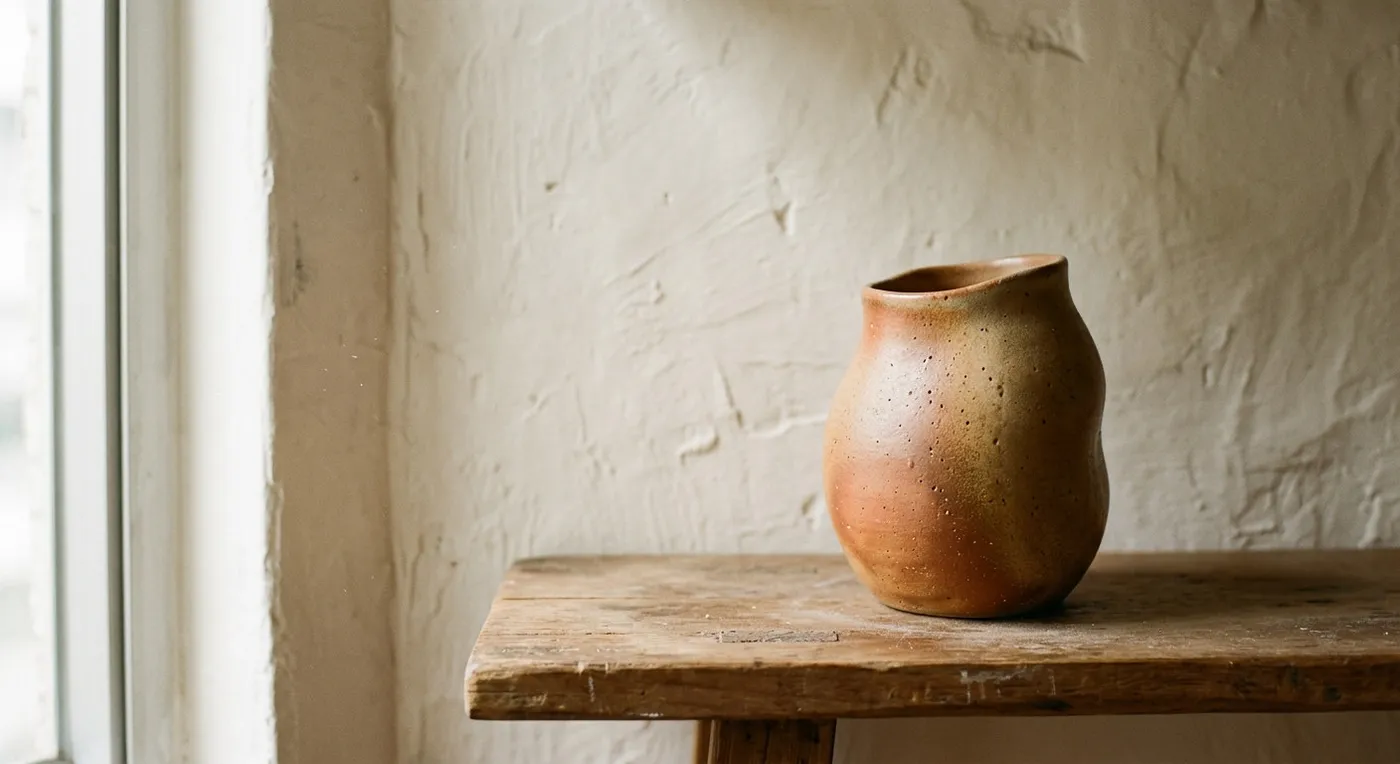
The Haas Brothers’ answer is to embrace a material’s own limitations rather than fight them: they generate patterns digitally, then thread them by hand, bead by bead, letting technology and craft coexist openly. Translated into interior design, that means choosing natural materials and accepting their imperfections: solid timber with visible knots, flame-finished granite instead of a polished surface, potted plants instead of artificial turf. Even on a tight budget, we would rather specify a humbler real material, like cement board, than a fake version of something expensive-looking. The precondition for good design is being honest about the true nature of the space and its materials.
If you are wrestling with a similar design dilemma, our team can help assess your options.
Discuss your space
Share your floor plan or photographs for a considered assessment of design possibilities, practical constraints and budget.