Modular Home Charging: Function, Layout and Constraints
Breaking down Layer's modular charging system concept and what it takes to make it work in small Hong Kong flats with limited outlet space.
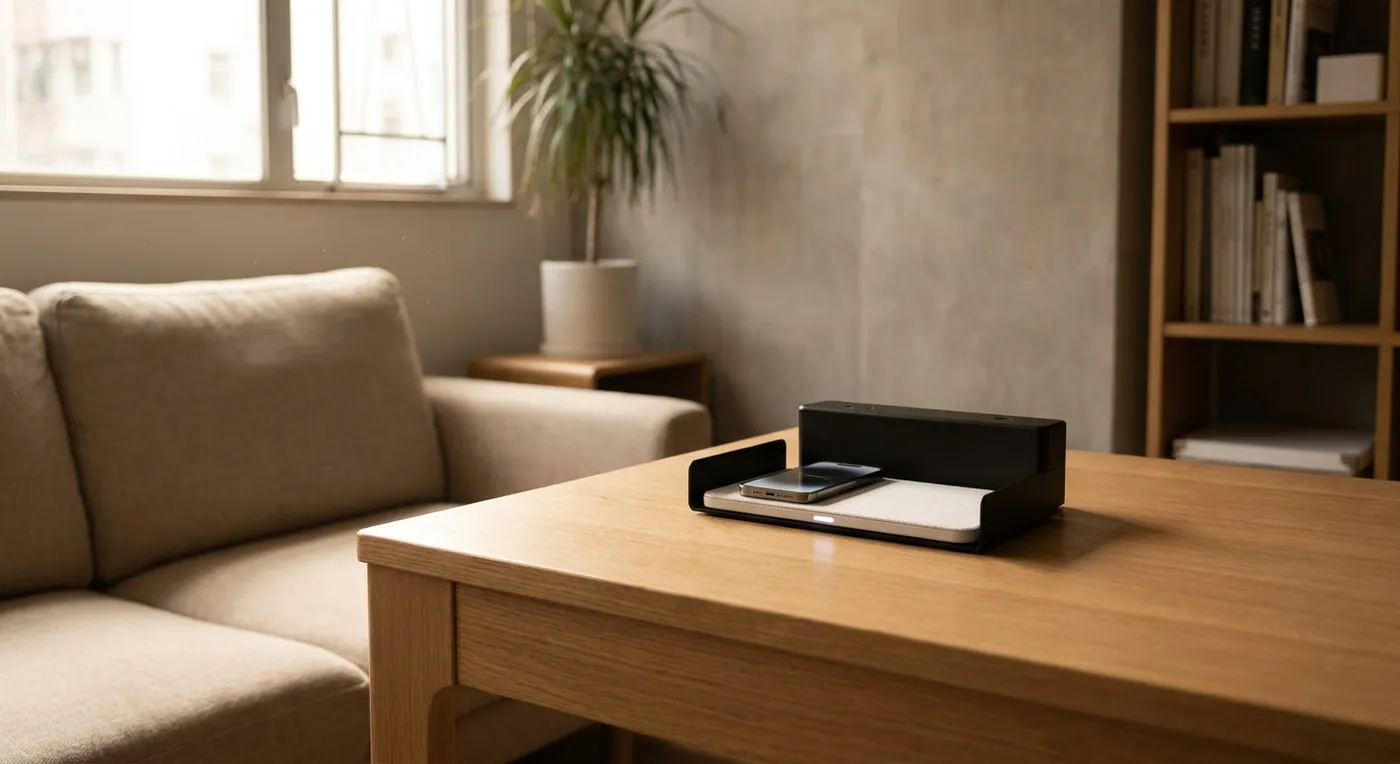
I recently came across the Node and Loft charging systems that British design studio Layer created for Daily Objects. They say the goal is to break away from the dull idea that charging products are just background objects, using a modular, movable approach that lets users place them wherever they like around the home. As someone who works in interior design, my first reaction was: great concept, but how does it actually play out on the ground? Hong Kong flats are tiny and outlet placement is limited: can you really achieve “move it wherever you want” without throwing off the overall look of the home? Here we break down a few common pitfalls from an engineering and materials standpoint.
The real advantage of modular charging: it is not about looking cool, it is about flexibility
Plenty of design magazines focus on “personalisation” and “playfulness,” but for our day-to-day work, the real value is reconfigurability. Once a traditional fixed charging dock is installed, changing its position means running exposed cabling or chasing into the wall: a major hassle. A modular design (swappable panels, add-on accessories, or splitting the dock into separate units the way Layer does) means you do not need to redo the fit-out every time you rearrange furniture or change how a space is used. For tenants, or households that like to keep rearranging, this kind of built-in flexibility is actually more practical than it sounds.
How do you make it work in a Hong Kong micro-flat?
My advice: do not blindly chase filling the whole flat with charging modules. Start by mapping out where you most often run low on battery day to day: beside the sofa, by the bed, at your desk. A small wireless charging pad at each of these points (the single-unit Node concept, for example) is usually enough. Everywhere else, you can keep a regular outlet and just plug in a USB cable as needed, cutting down on “design for design’s sake” waste. On materials, go for matte finishes in earth tones or black-grey metal: they pair easily with Hong Kong’s common light-coloured walls and wood-grain flooring without creating visual clutter.
If you are facing a similar design dilemma (like how to balance wanting new technology against the fact that renovation decisions are hard to undo) please contact our team to discuss your requirements.
Discuss your space
Share your floor plan or photographs for a considered assessment of design possibilities, practical constraints and budget.