Circular Design in Hong Kong Homes
How international circular design ideas adapt to Hong Kong's small, humid homes, from material lifecycle to solar lighting and moisture-resistant furniture.
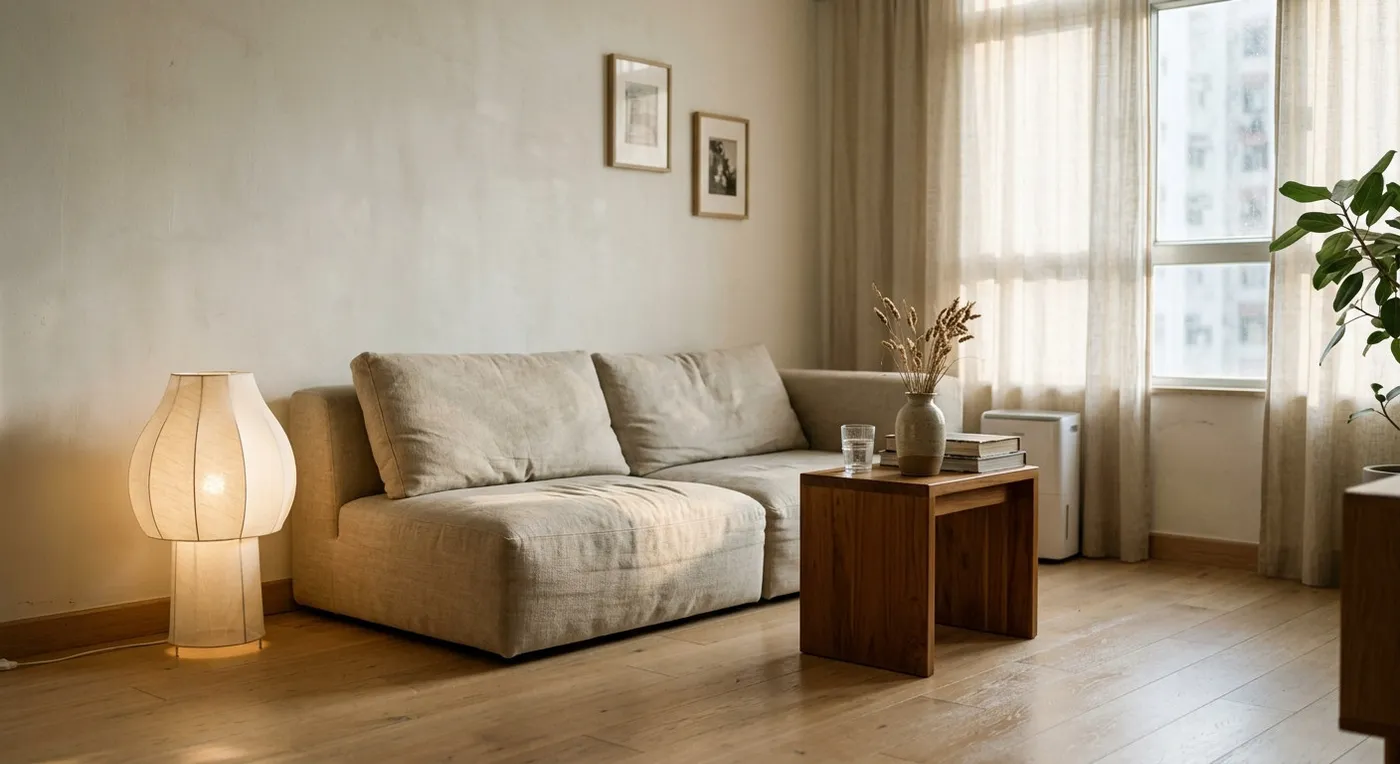
Plenty of Hong Kong homeowners want to go the sustainable route, but the moment you factor in small spaces, humidity, and still wanting the place to look good, it can feel like a tall order. The idea of “circular design” that is trending overseas has some elements worth borrowing in a Hong Kong context, and others that need adjusting. Here is an objective look at how to choose furniture and furnishings that are genuinely durable and environmentally sound, without sacrificing design quality.
The core of circular design: it is not just about recycling
When people think of sustainable furniture, recycled materials usually come to mind first. But true “circularity” covers the entire product lifecycle: whether the manufacturing process generates waste, whether a broken piece can be repaired, and whether the material can be recycled once it is no longer wanted. Overseas brands like Canada’s Cyrc use 3D printing to manufacture to order, cutting inventory and waste, and run programmes to recycle old pieces into new products. This model has real reference value for Hong Kong, but it is worth noting that the material and energy consumption of 3D printing is not necessarily more eco-friendly than traditional manufacturing. It depends on the actual data.
Can outdoor furniture really run on solar power? Look closer first
The original piece mentions the Spark series of solar outdoor lights by Belgian brand Pebl, but applied to Hong Kong, there are real constraints: outdoor space is limited, and sunlight exposure is inconsistent. That said, small solar fixtures can still work on windowsills, balconies, or even near windows indoors. What is worth watching, though, is how Hong Kong’s humid climate affects materials: check whether teak carries FSC certification, note that aluminium is recyclable but energy-intensive to produce, and remember that travertine is porous and needs proper sealing to hold up long-term.
A sustainability strategy for Hong Kong’s small spaces
The original article advocates thinking long-term when you buy, and in Hong Kong you also need to factor in space efficiency. A good-quality sofa bed or a folding dining table is, in effect, one less piece of furniture you need to buy. On top of that, humidity is furniture’s biggest enemy: choosing moisture-resistant materials and getting ventilation right is what stops a sofa from growing mould or a wood cabinet from warping, and cuts down the chances of having to scrap something prematurely. These details often matter more in practice than an “eco-friendly” label.
If you are facing a similar design dilemma, please contact our team to discuss your requirements.
Discuss your space
Share your floor plan or photographs for a considered assessment of design possibilities, practical constraints and budget.